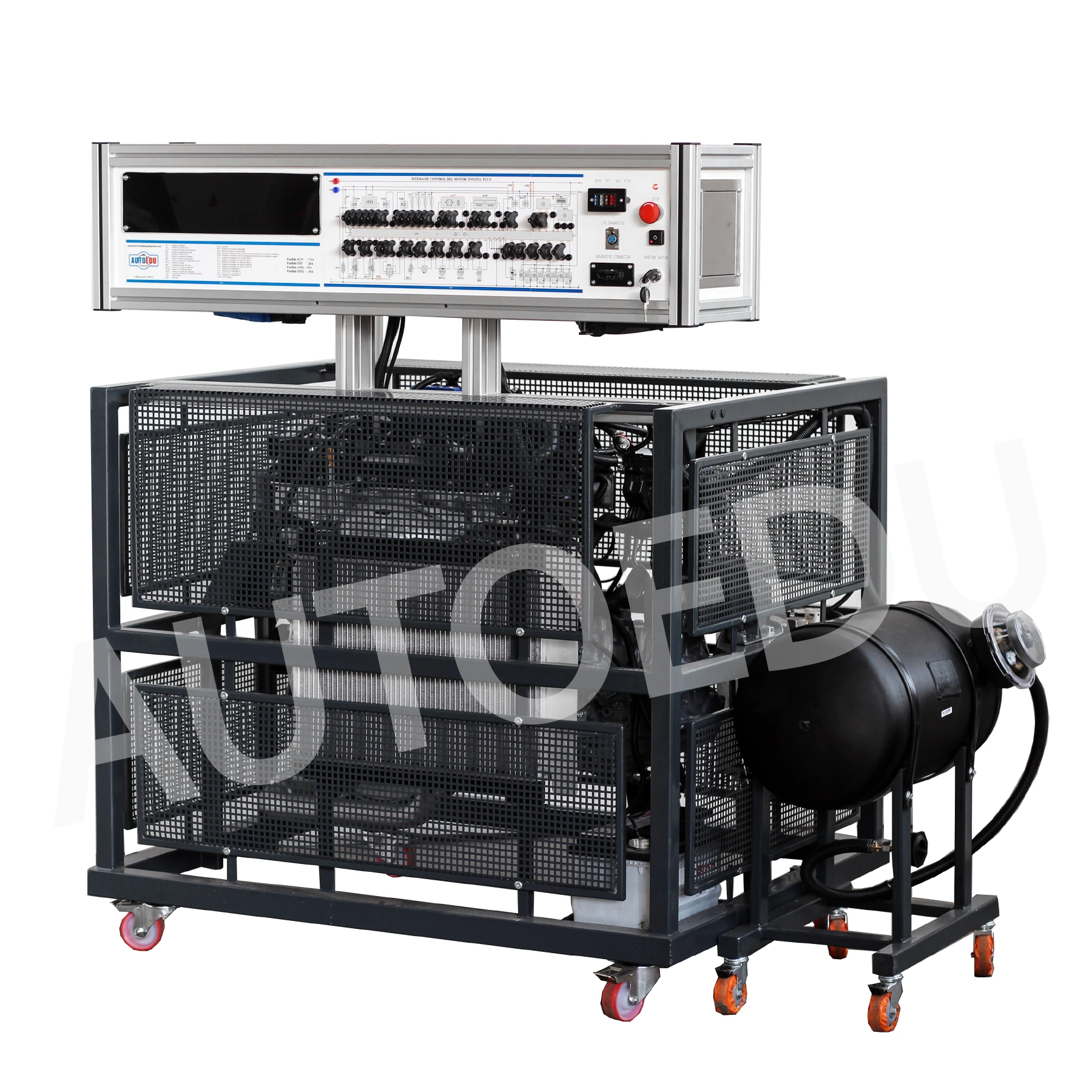
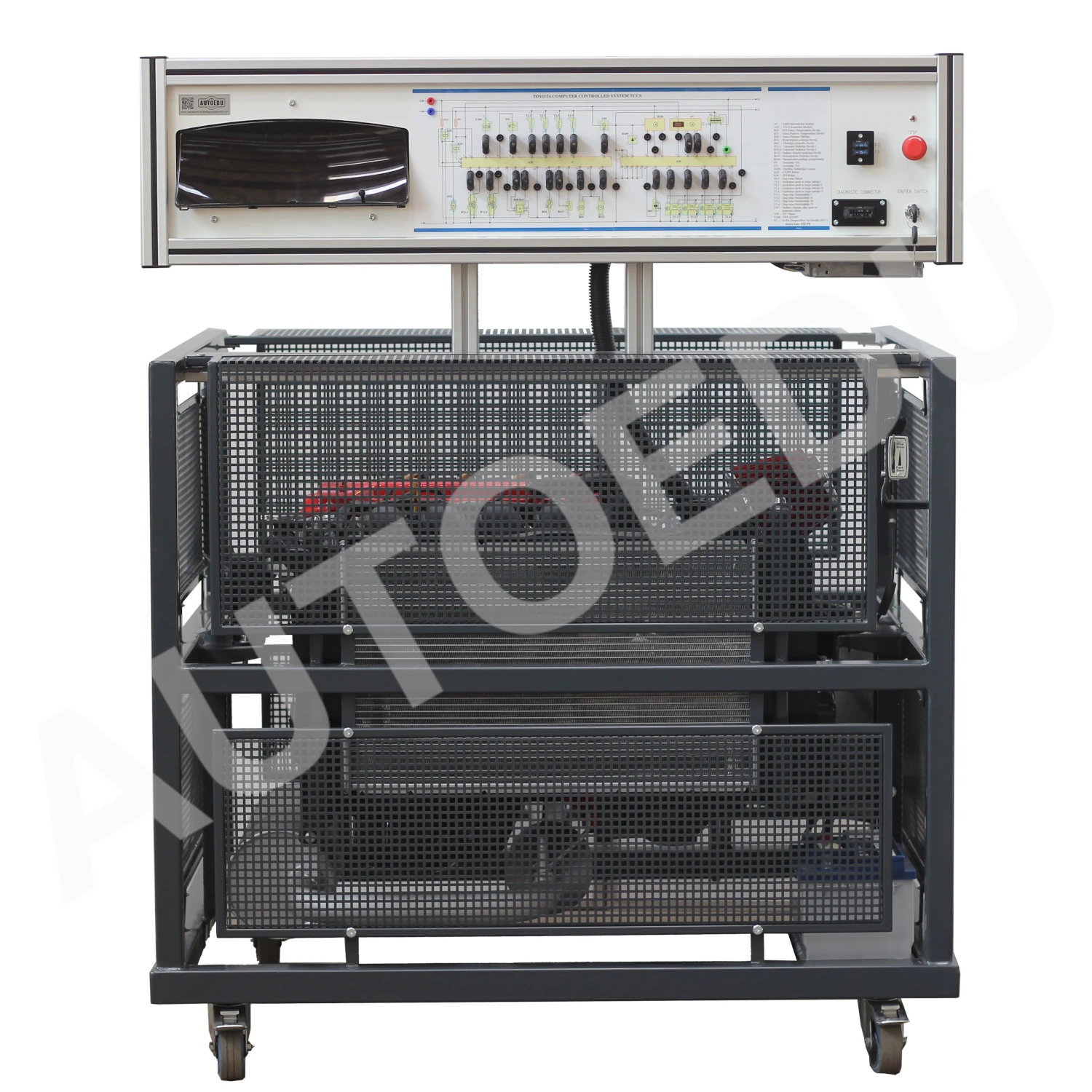
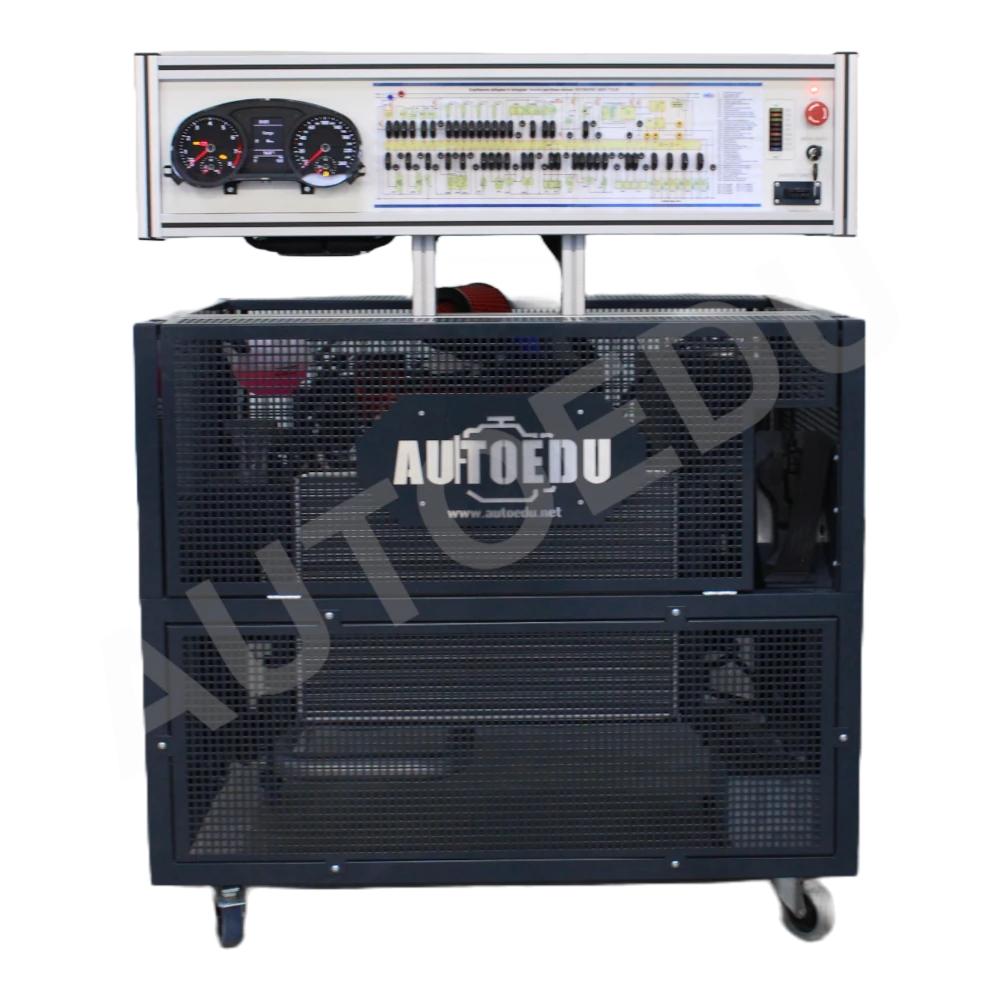
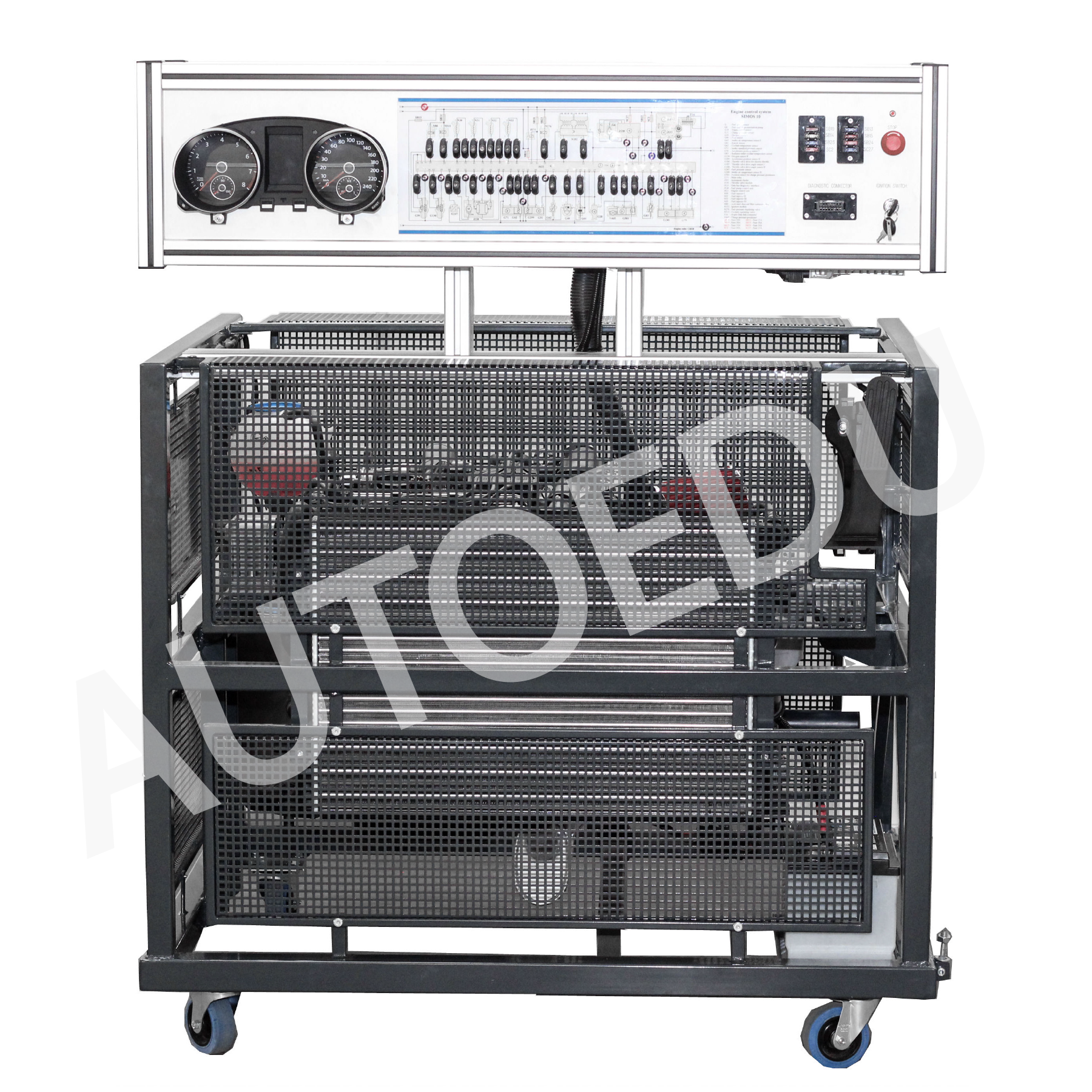
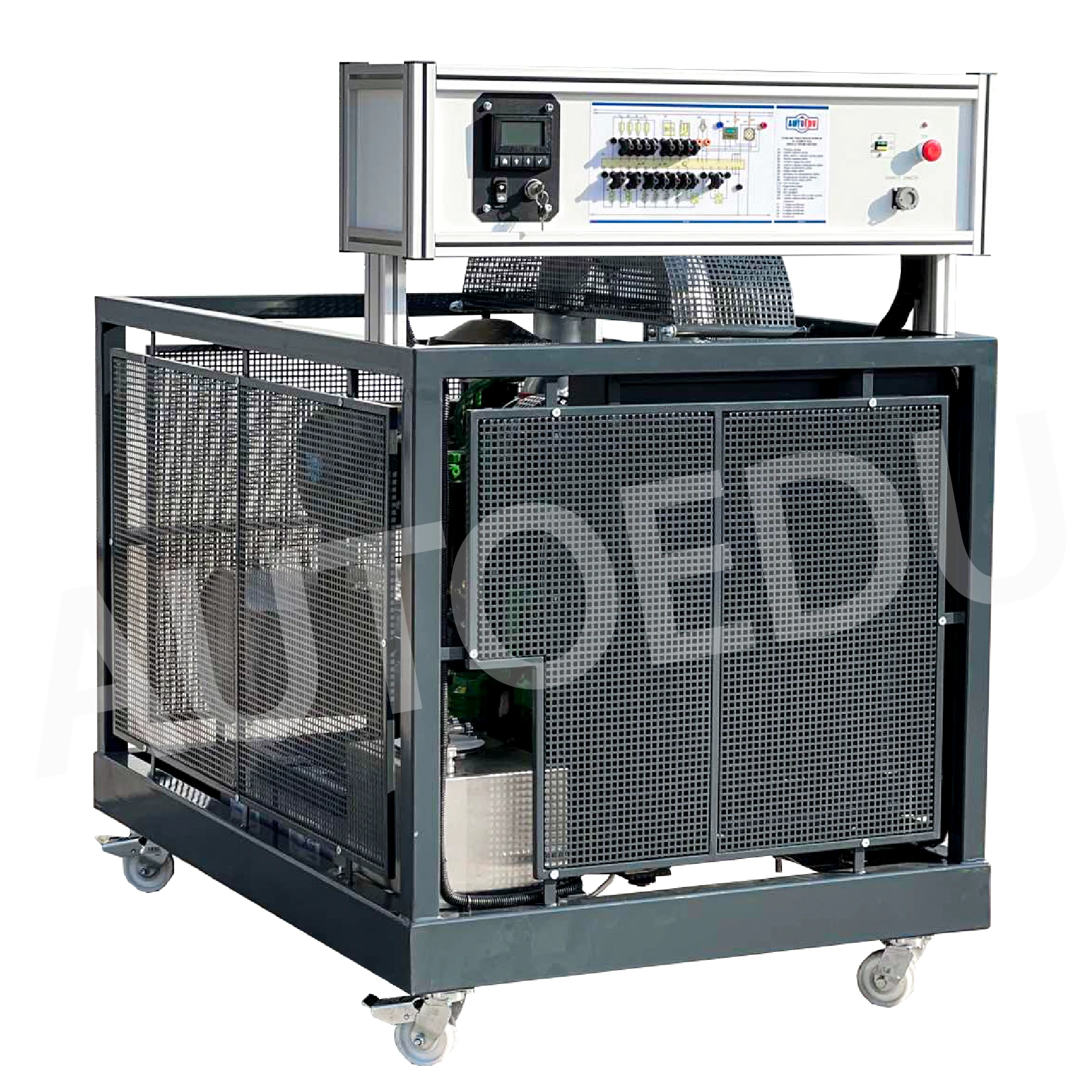
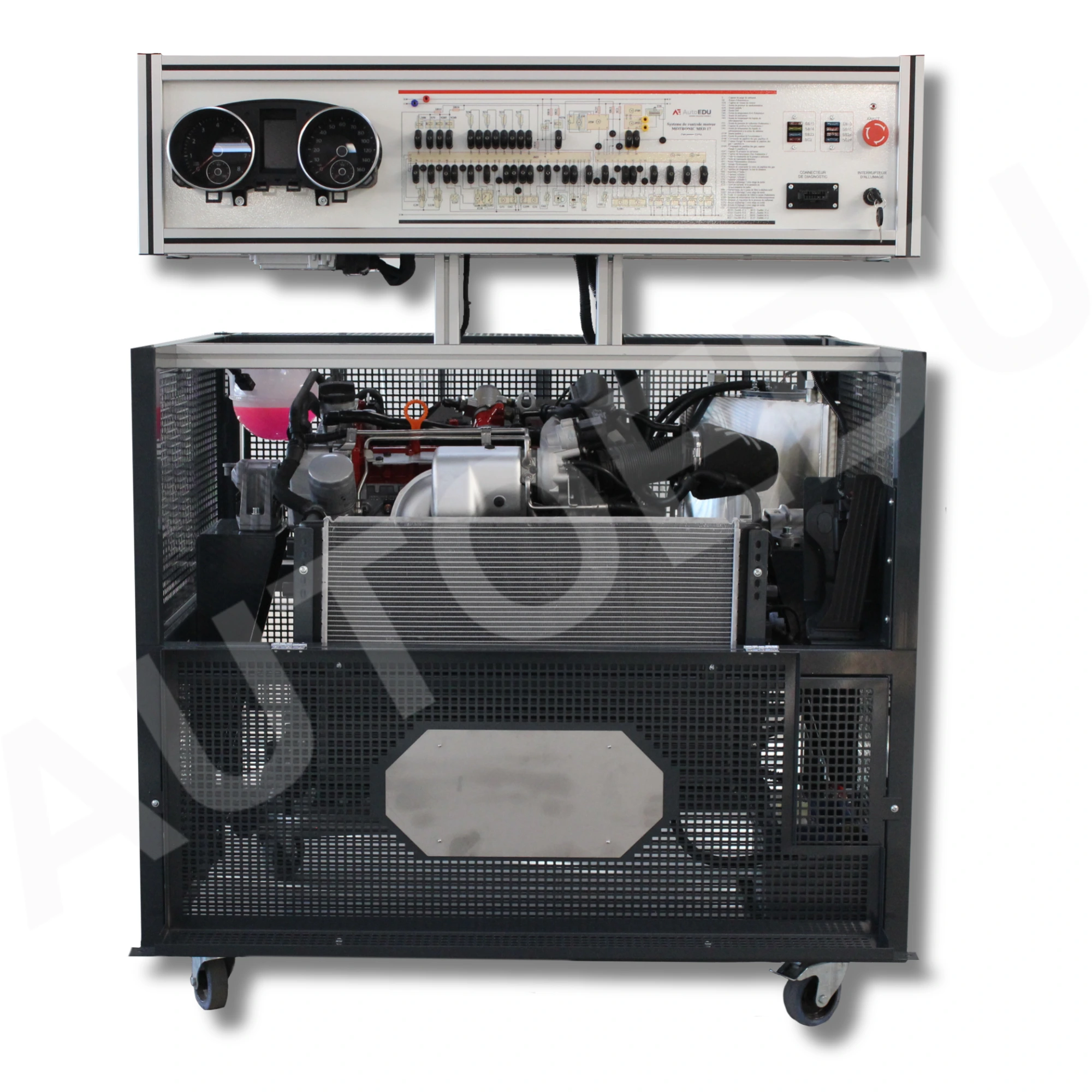
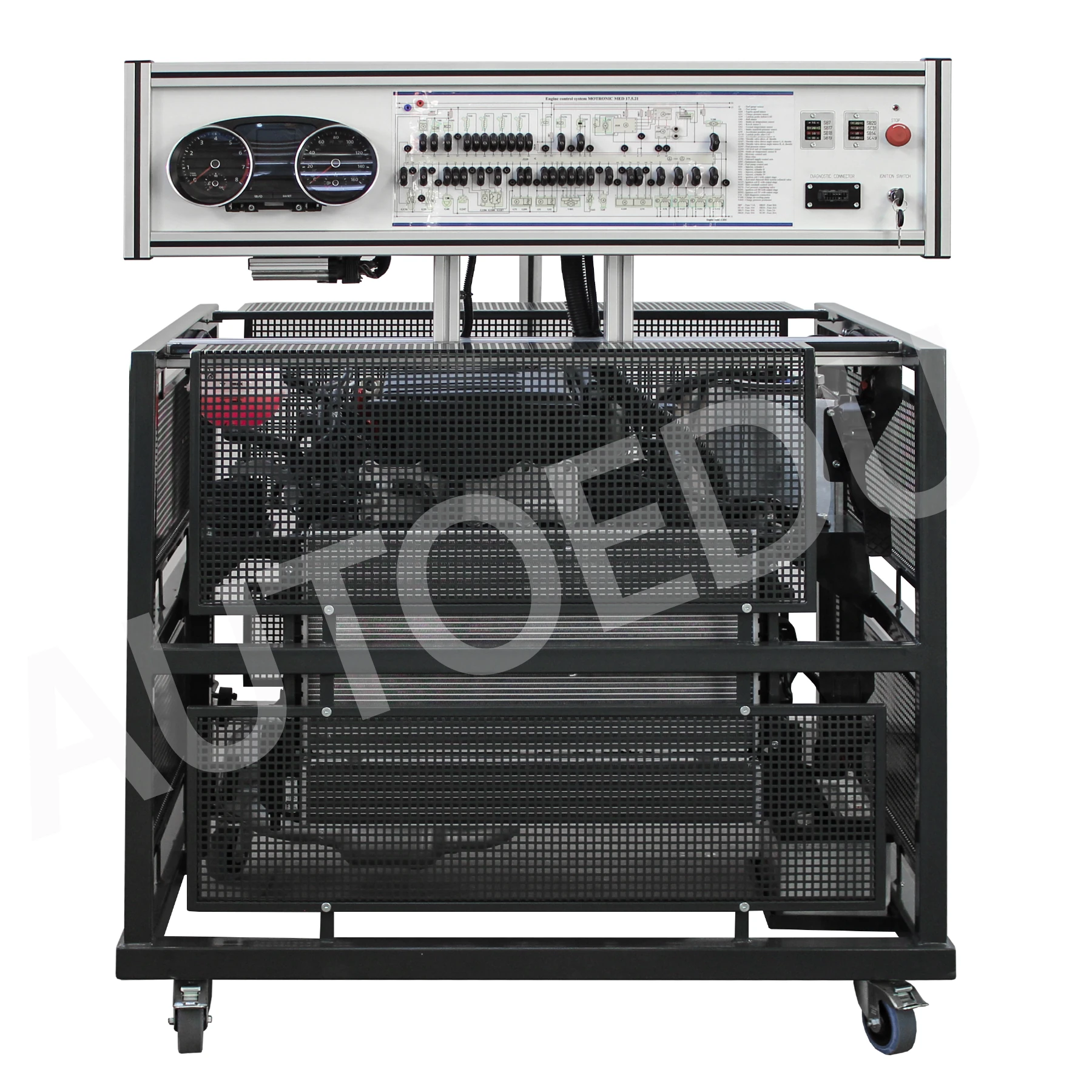
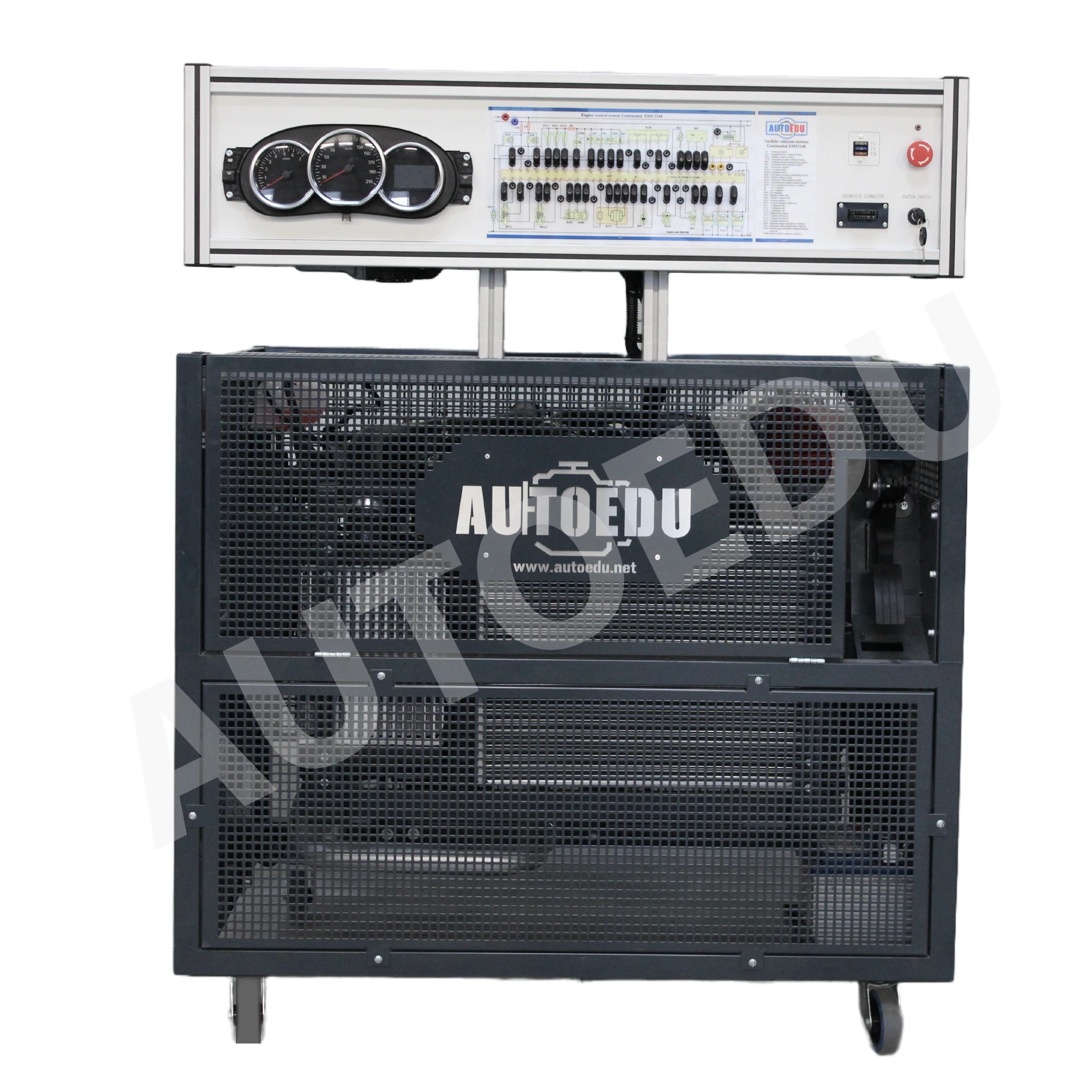
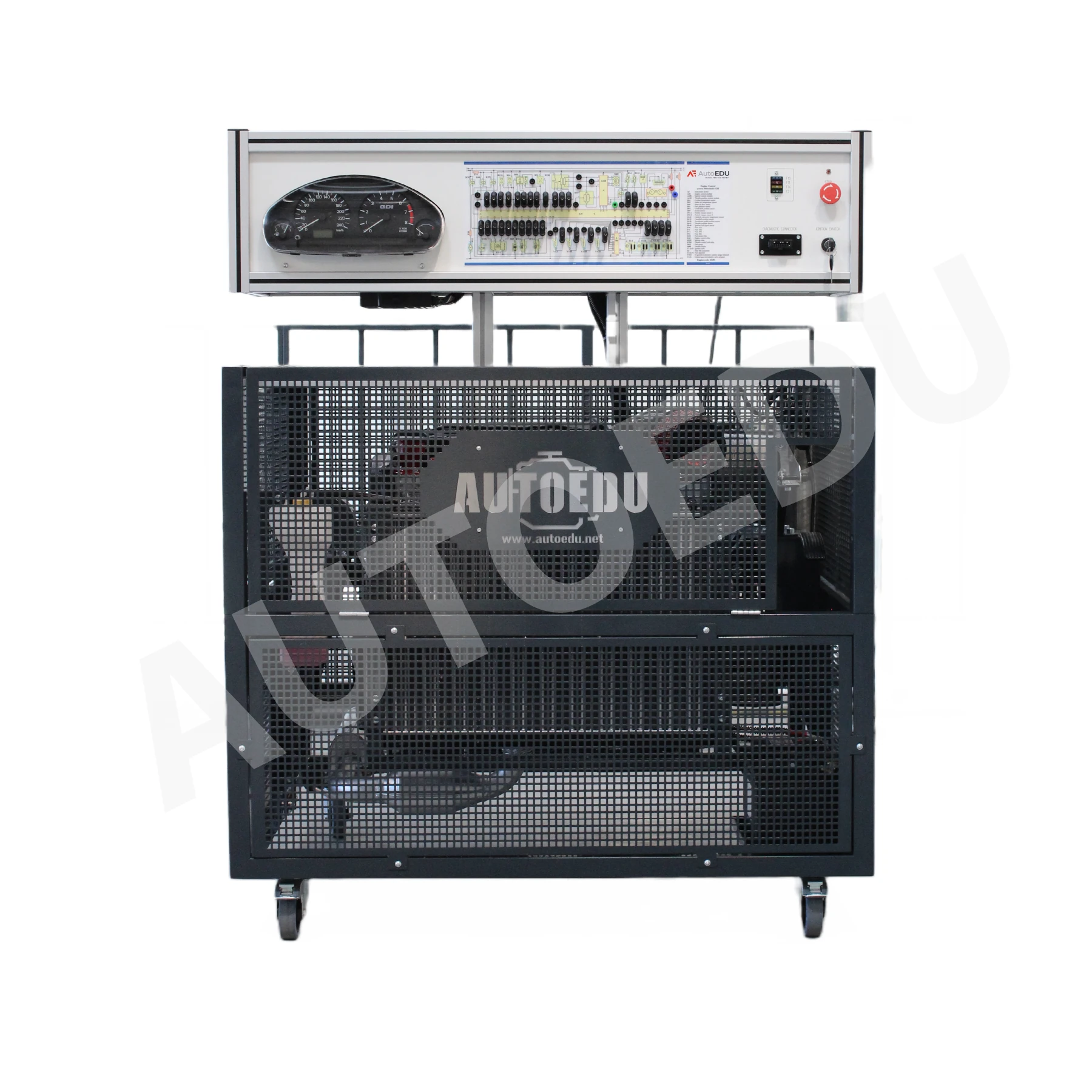
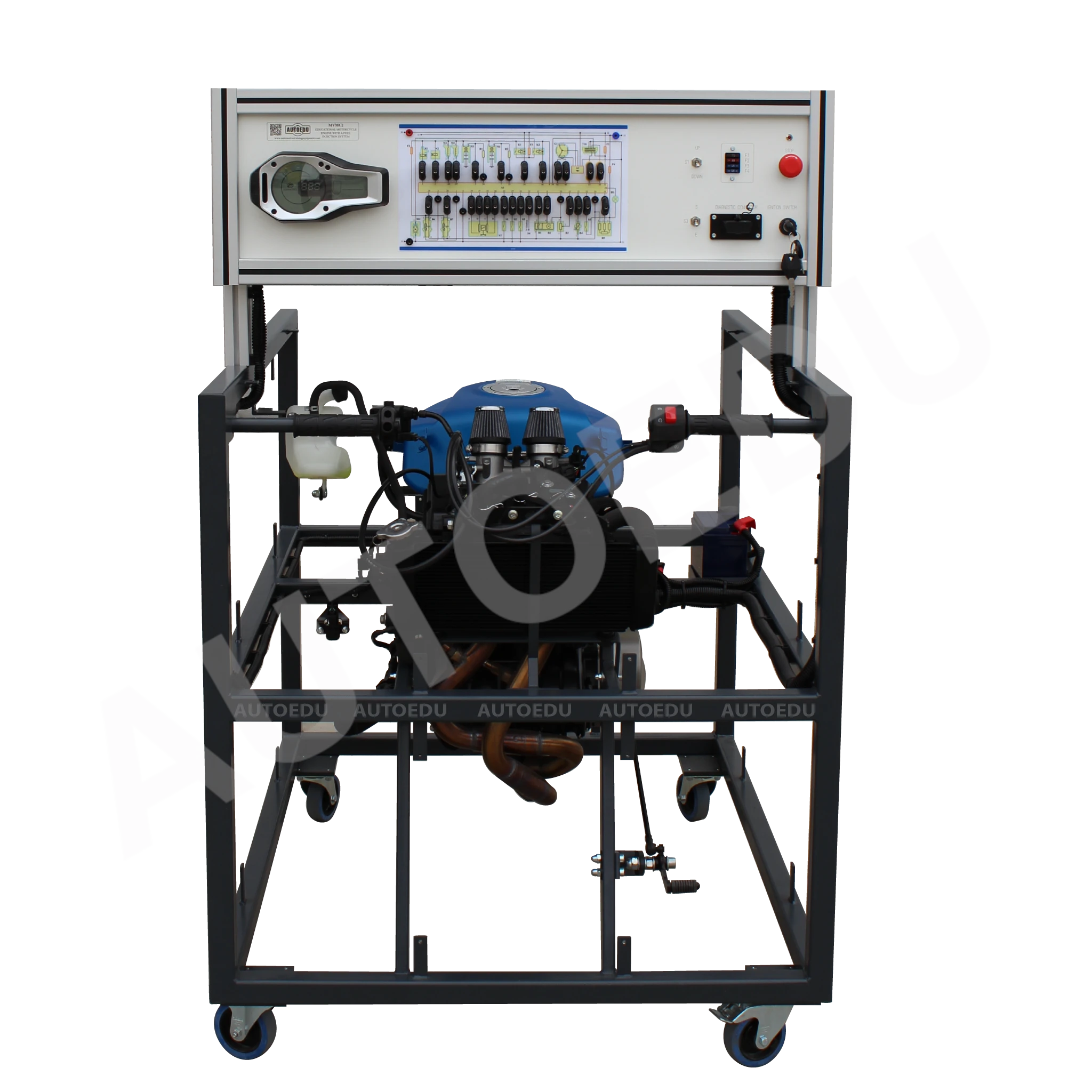
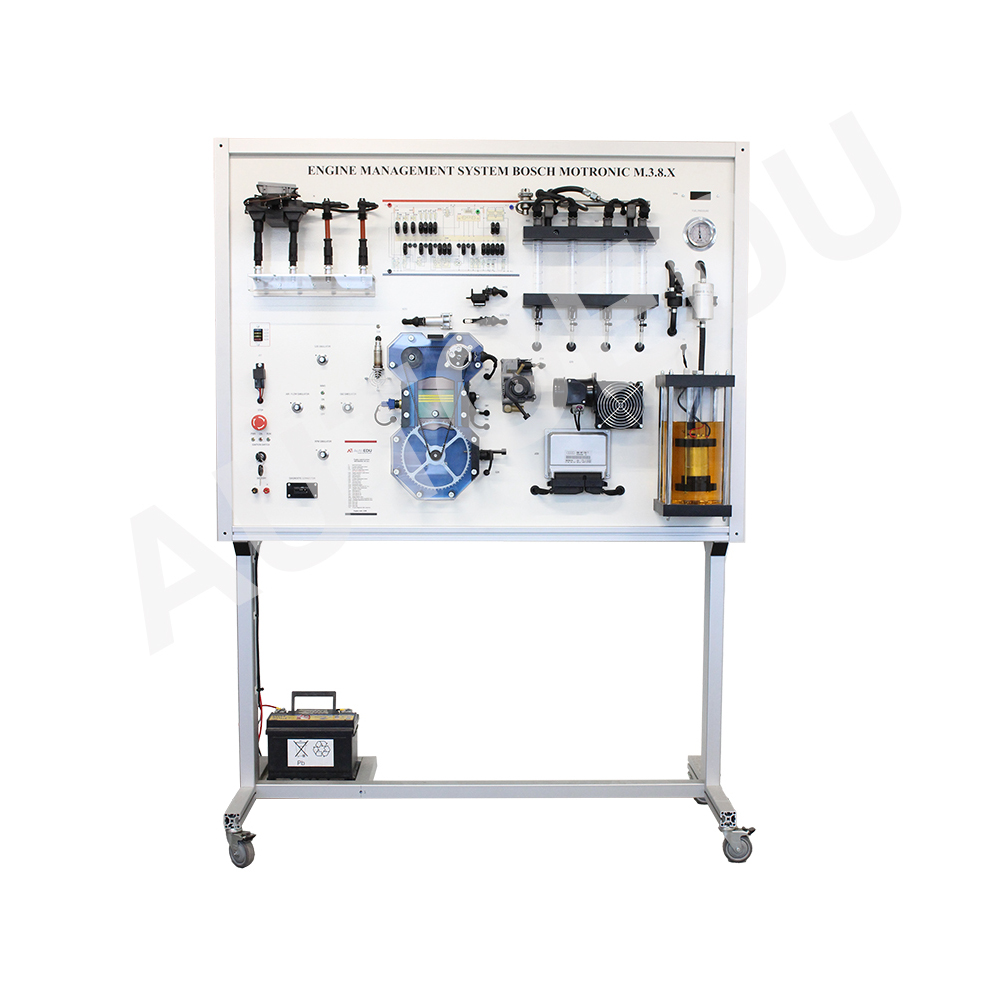
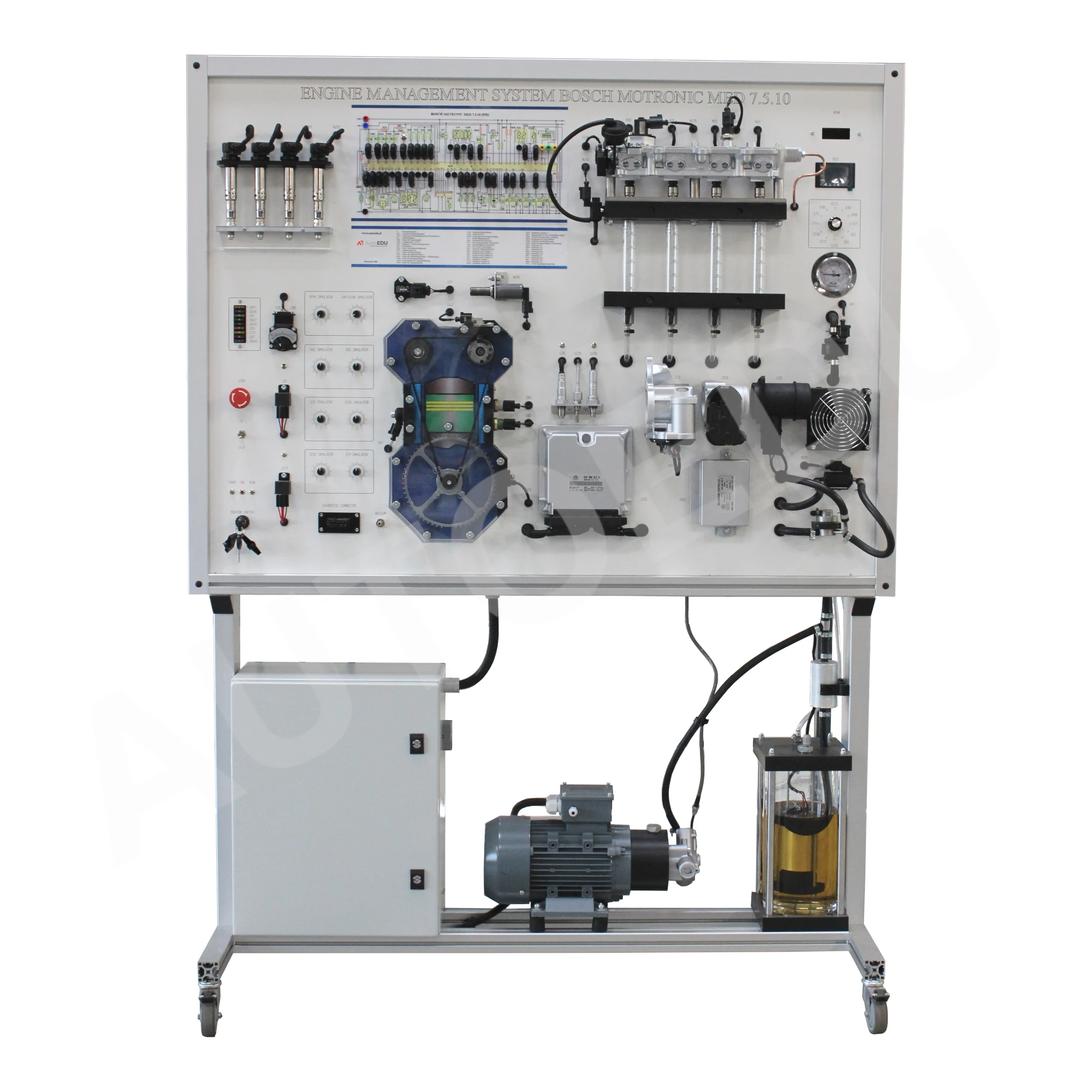
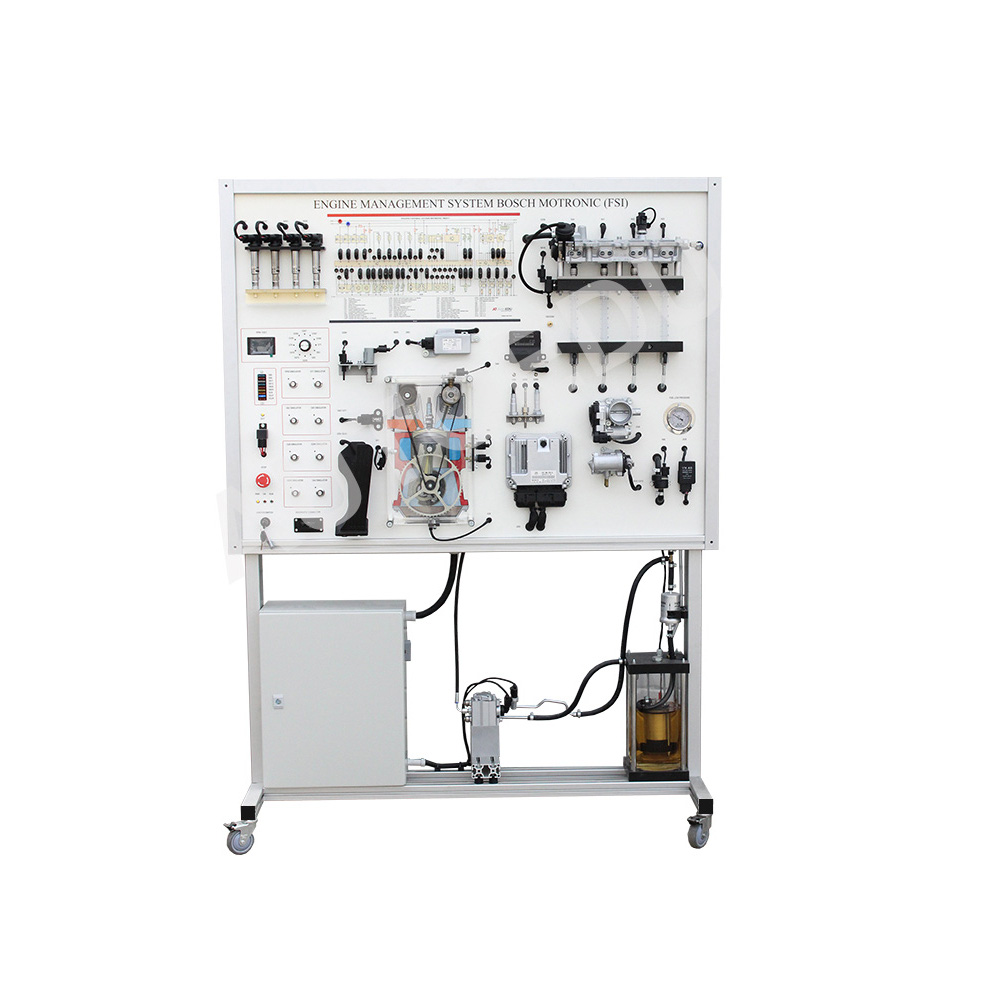
Training tool designed for automotive education, featuring a fully operational EURO4 MPI petrol(gasoline) engine integrated with a Dyno measurement system. It includes an OBD 16-pin diagnostic socket for in-depth engine diagnostics, open contacts for precise electrical measurements, and fault simulation capabilities via jumper removal. The system is equipped with a centralized control panel, OEM automotive parts, and integrated measurement tools, providing real-time monitoring and analysis of engine parameters. This robust, mobile unit is powered by a 12V integrated battery and uses gasoline, offering a practical and authentic learning experience for students.
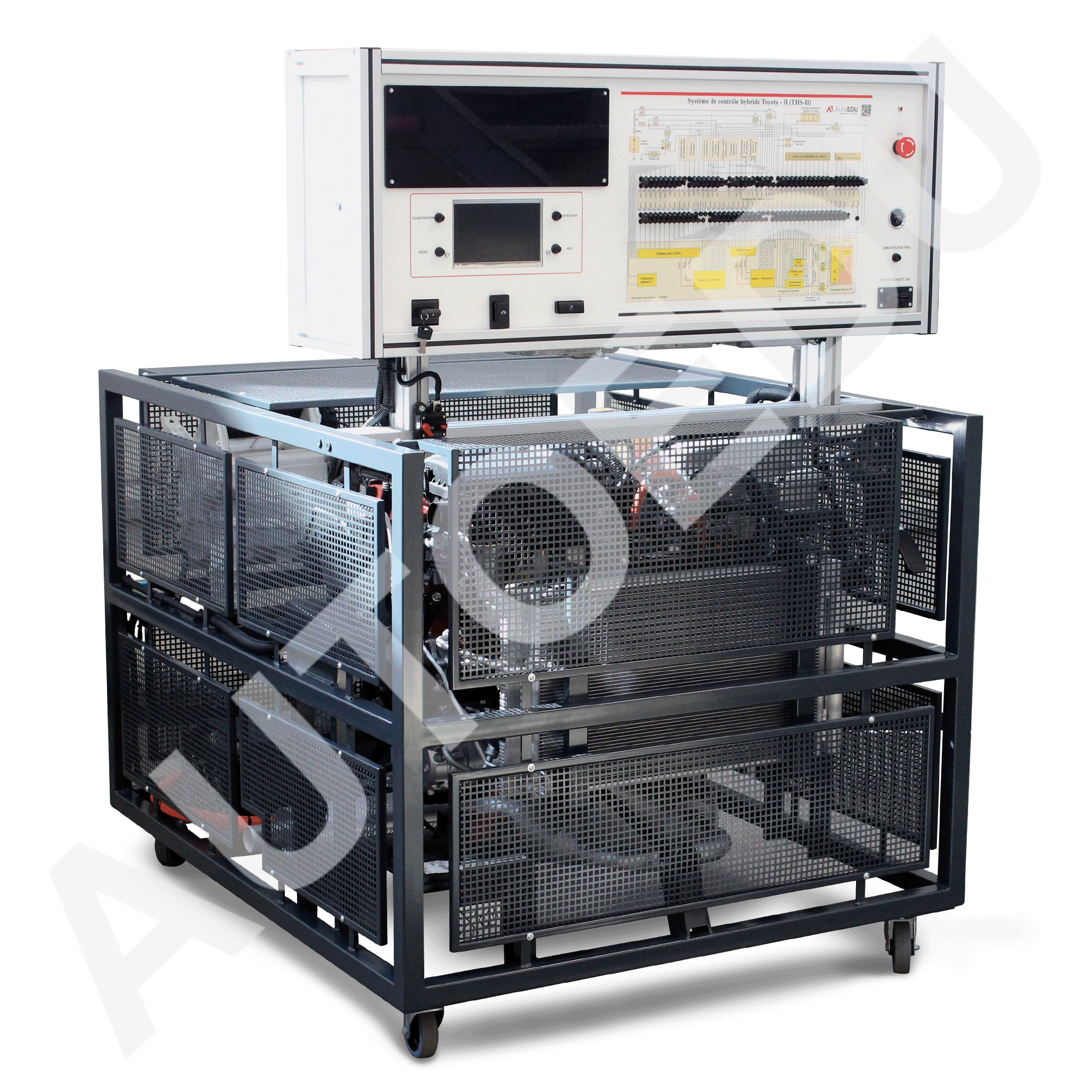
Yes. Trainers are compatible with OBD and OEM-level diagnostic devices. Students can perform live data monitoring, actuator tests, system resets, and adaptation procedures.
Yes. Units include protective covers, controlled exhaust routing, cooling adaptation, and emergency stop functions to ensure safe operation during demonstrations and practical sessions.
Yes. Most trainers allow instructors to activate sensor failures, wiring interruptions, or component malfunctions. This supports structured diagnostic exercises.
Students can practice:
- Reading live engine data and stored fault codes.
- Testing ignition and injection circuits.
- Measuring fuel pressure, vacuum, and temperature values.
- Assessing idle control and engine performance.
- Troubleshooting electronic and mechanical faults.
Typical components include:
- Complete petrol engine assembly.
- Multi-point or direct injection system.
- Engine Control Unit (ECU) with full sensor and actuator set.
- Ignition coils and high-voltage circuits.
- Cooling and lubrication systems.
- Exhaust system with catalytic converter.
- Safety guards and emergency stop functions.
- OBD diagnostic interface.
Modern petrol engines include electronic fuel injection, variable valve timing, ignition control, and advanced emission systems. Training helps learners understand system operation, perform diagnostic procedures, measure engine parameters, and apply correct service techniques.
It is a fully operational gasoline engine mounted on a training frame for instructional use. It allows students to study ignition systems, fuel injection, air intake management, emission control, cooling, lubrication, and electronic control in real working conditions.