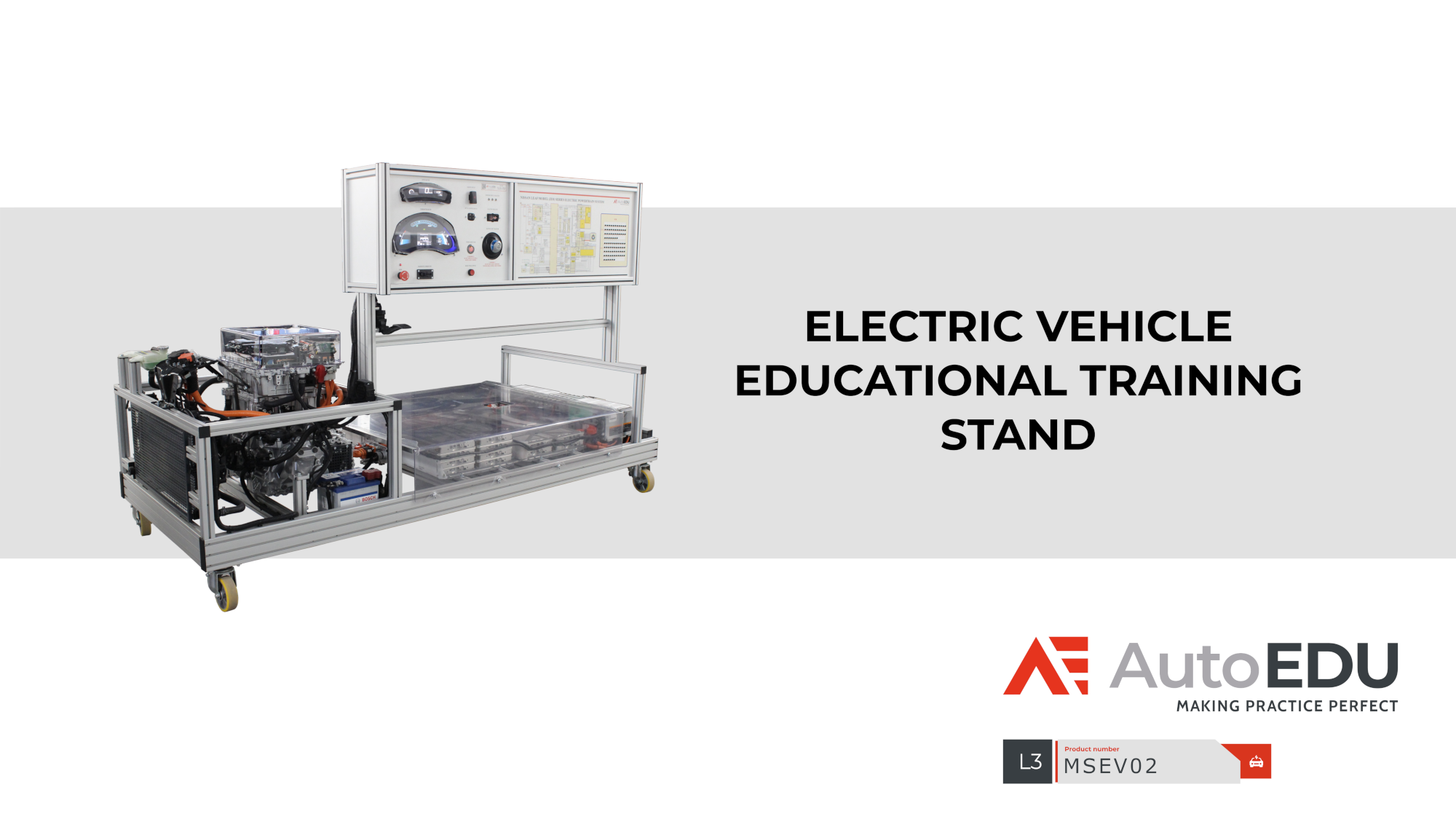
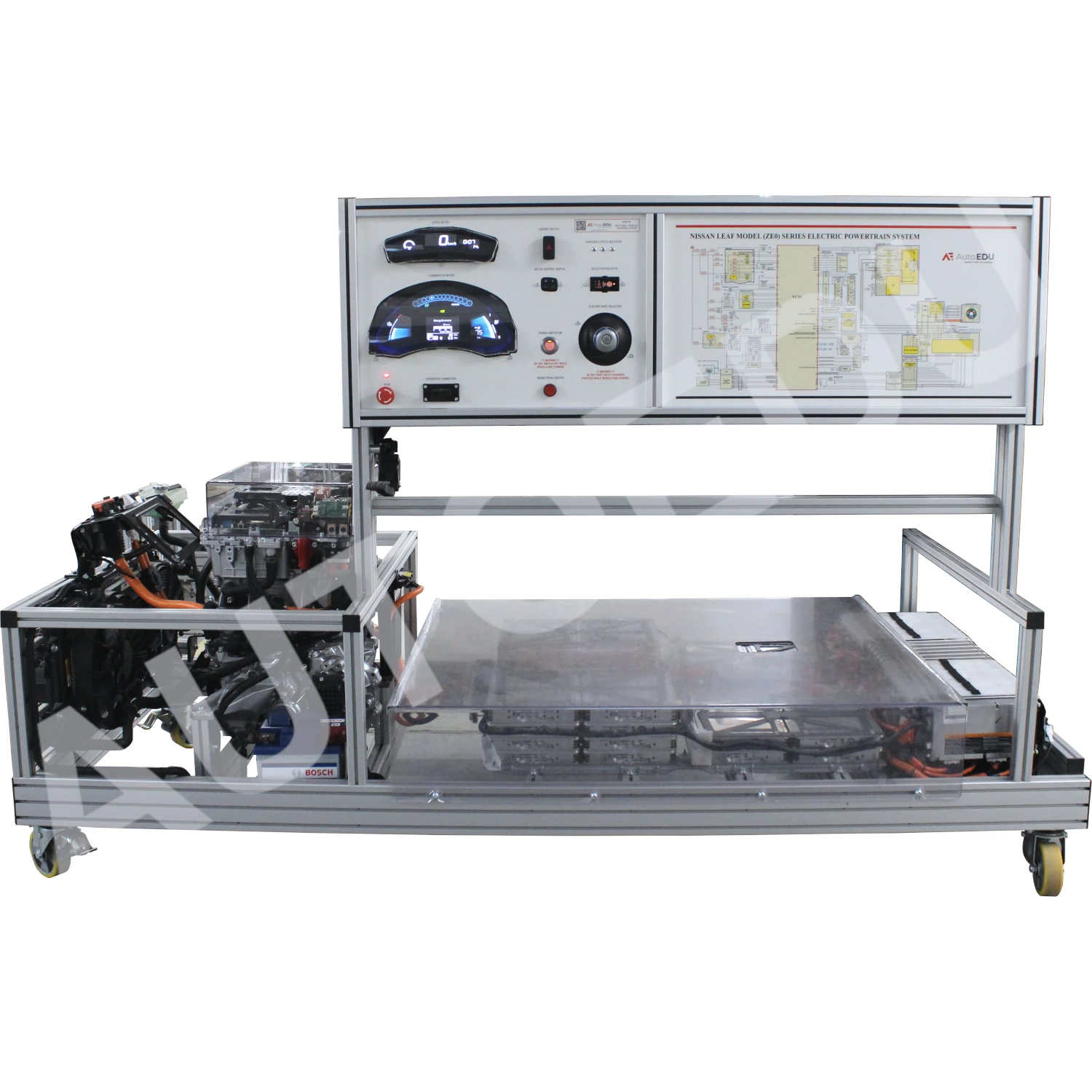
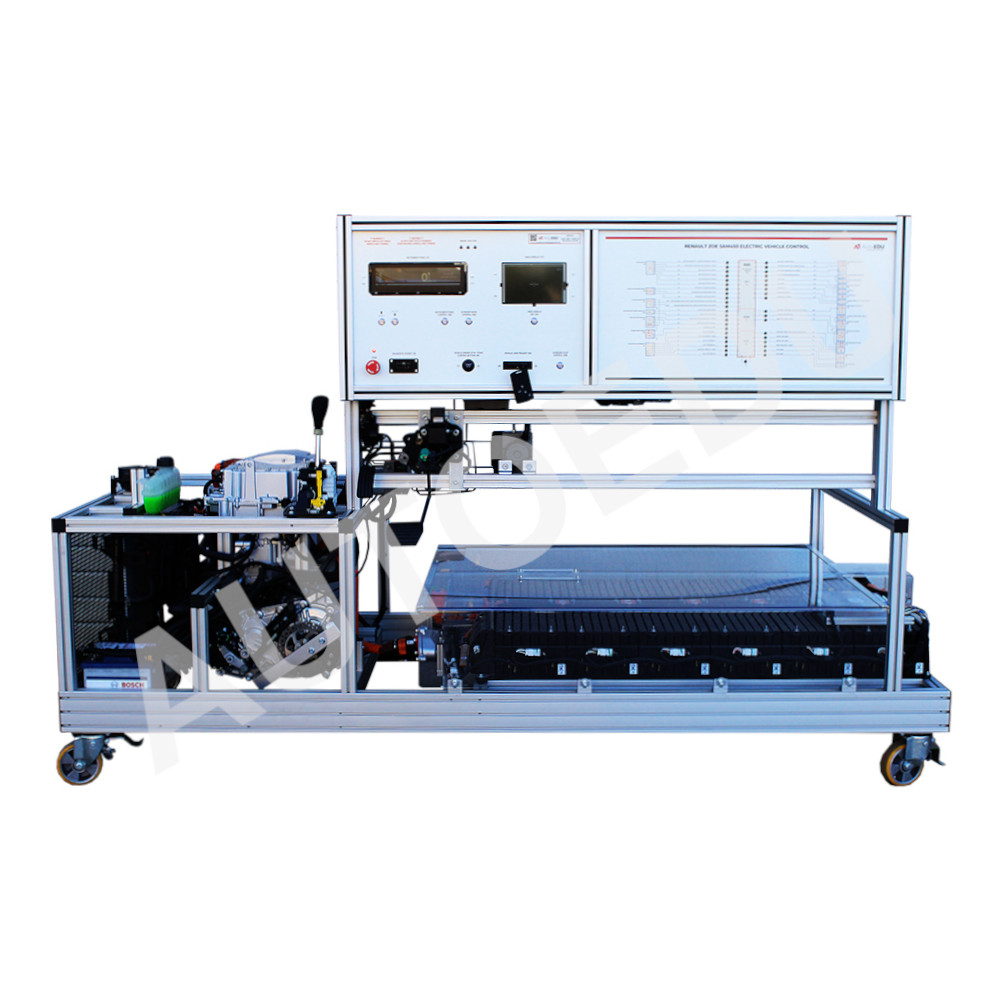
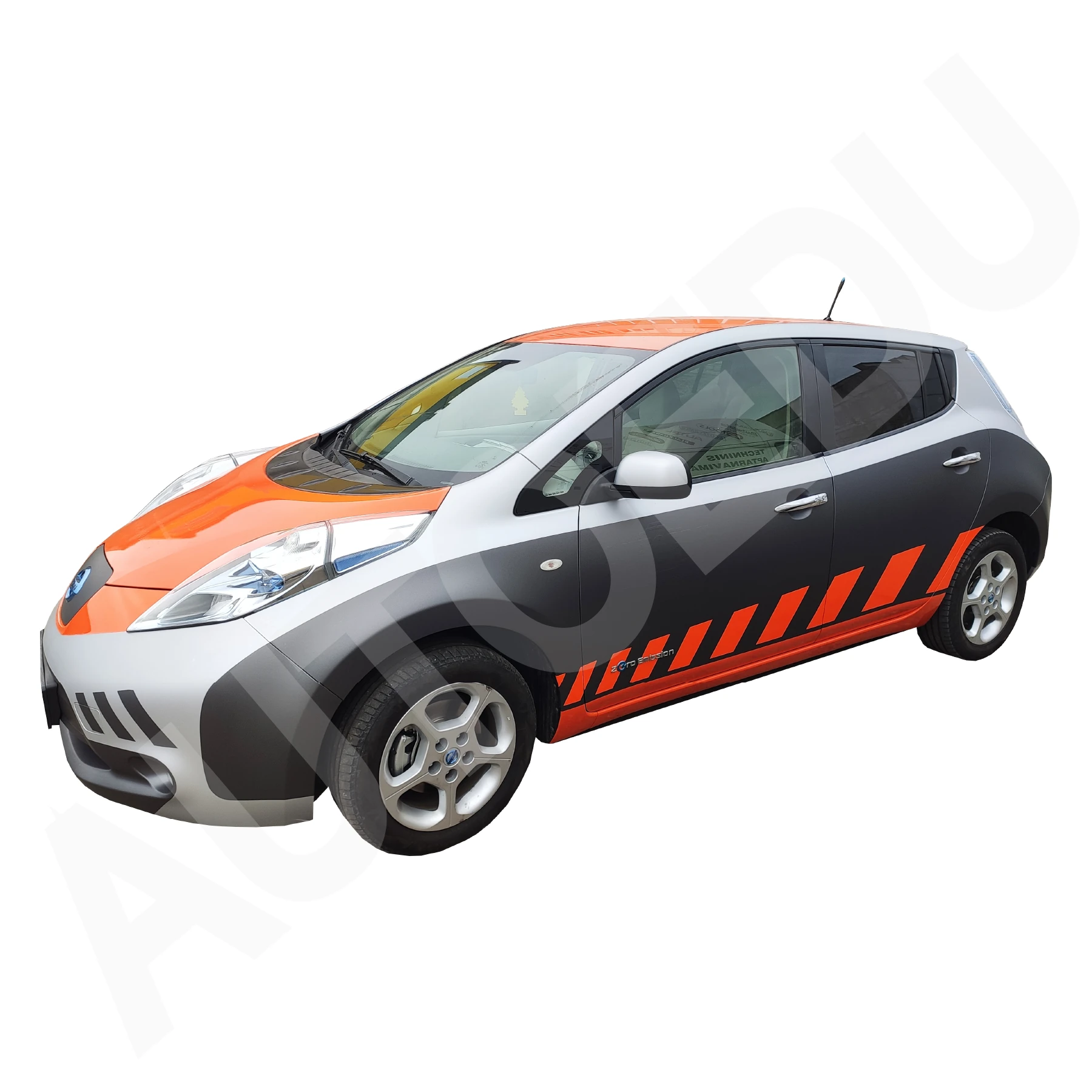
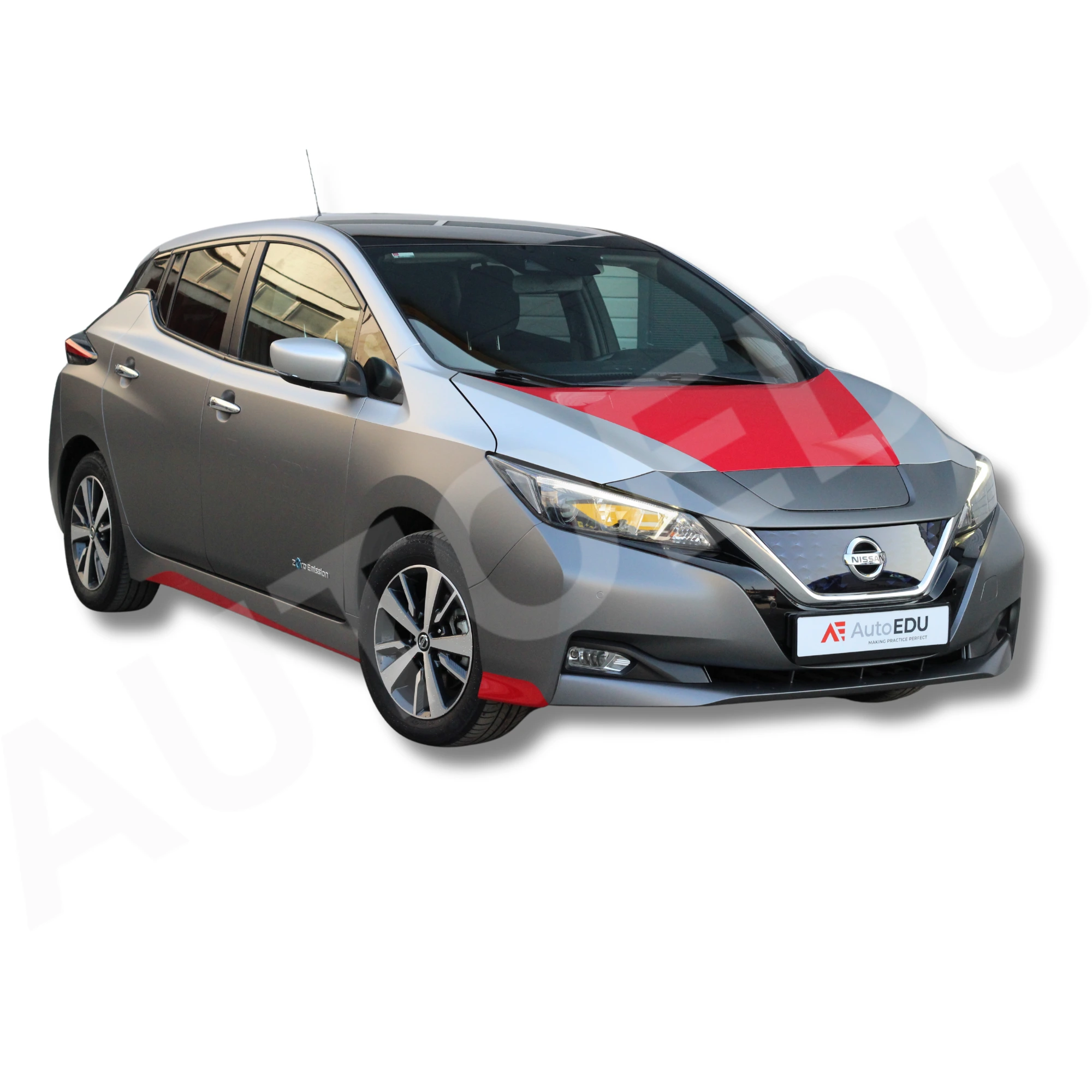
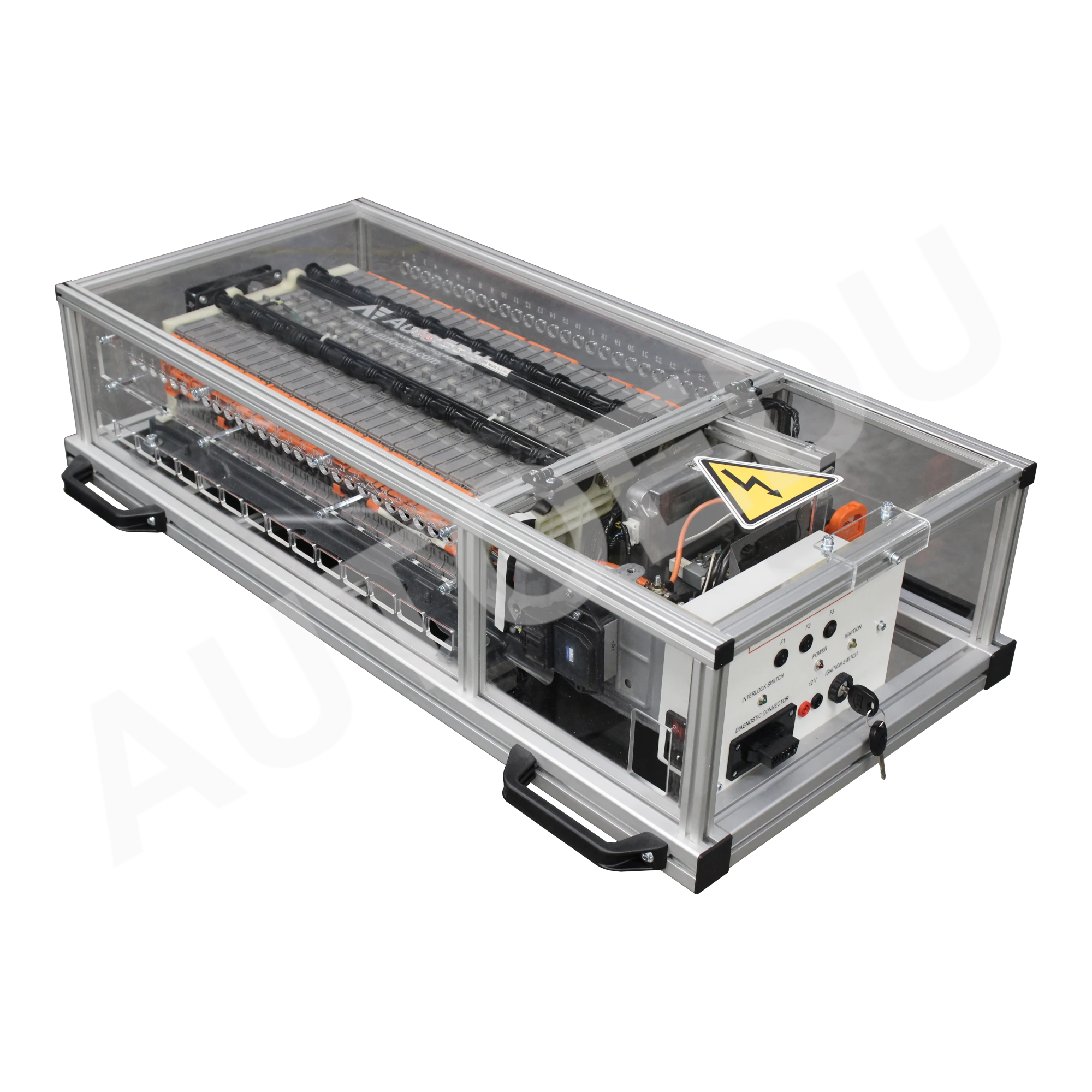
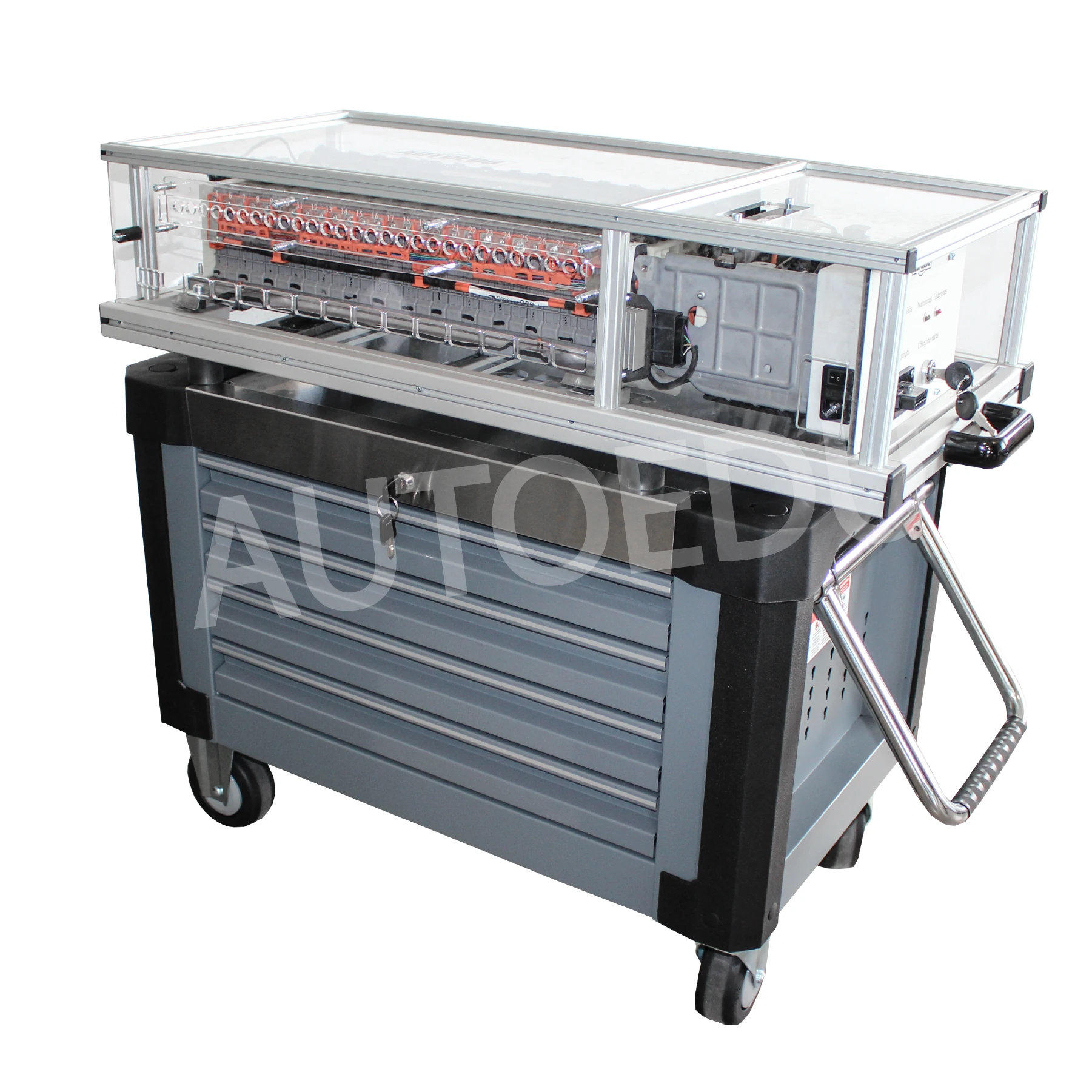
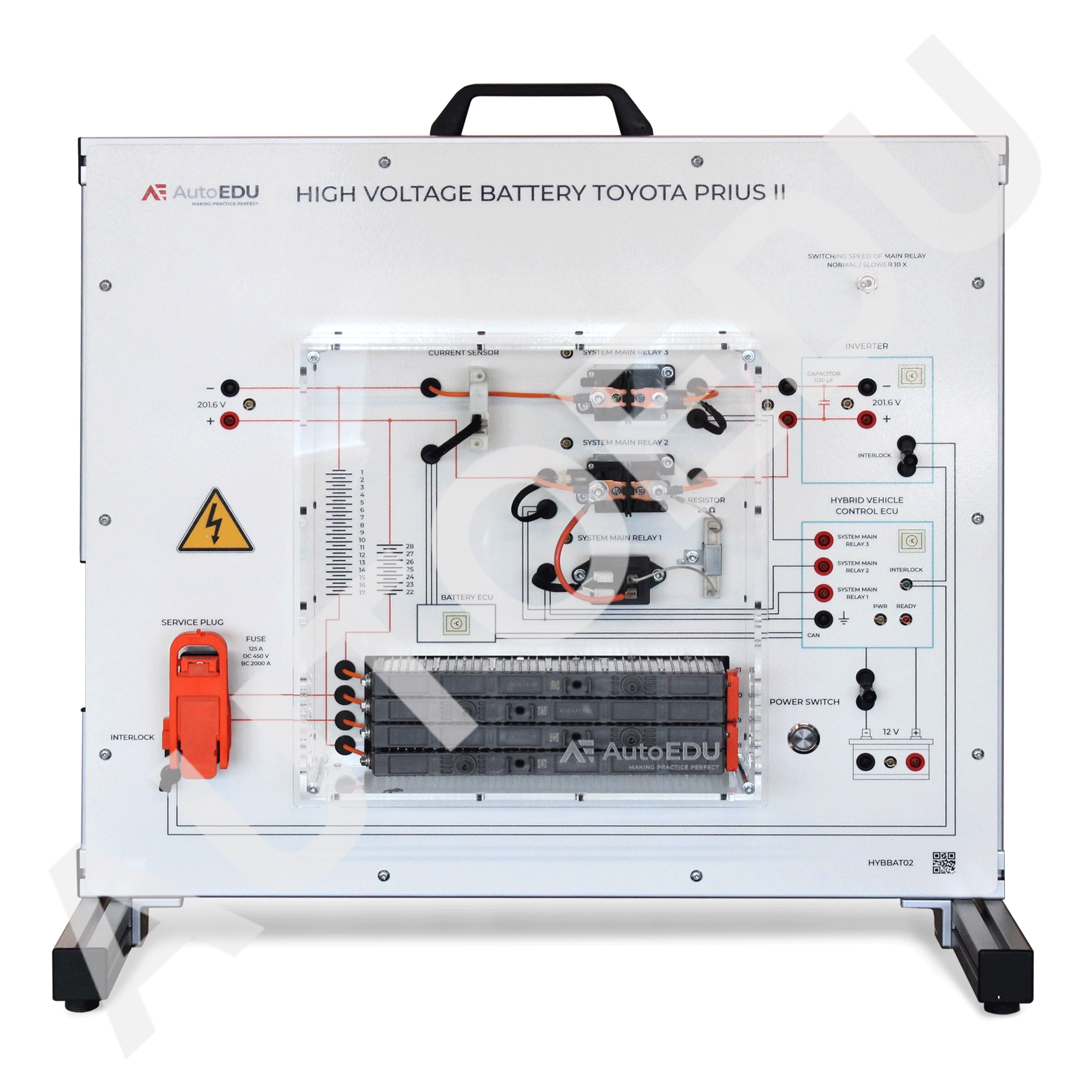
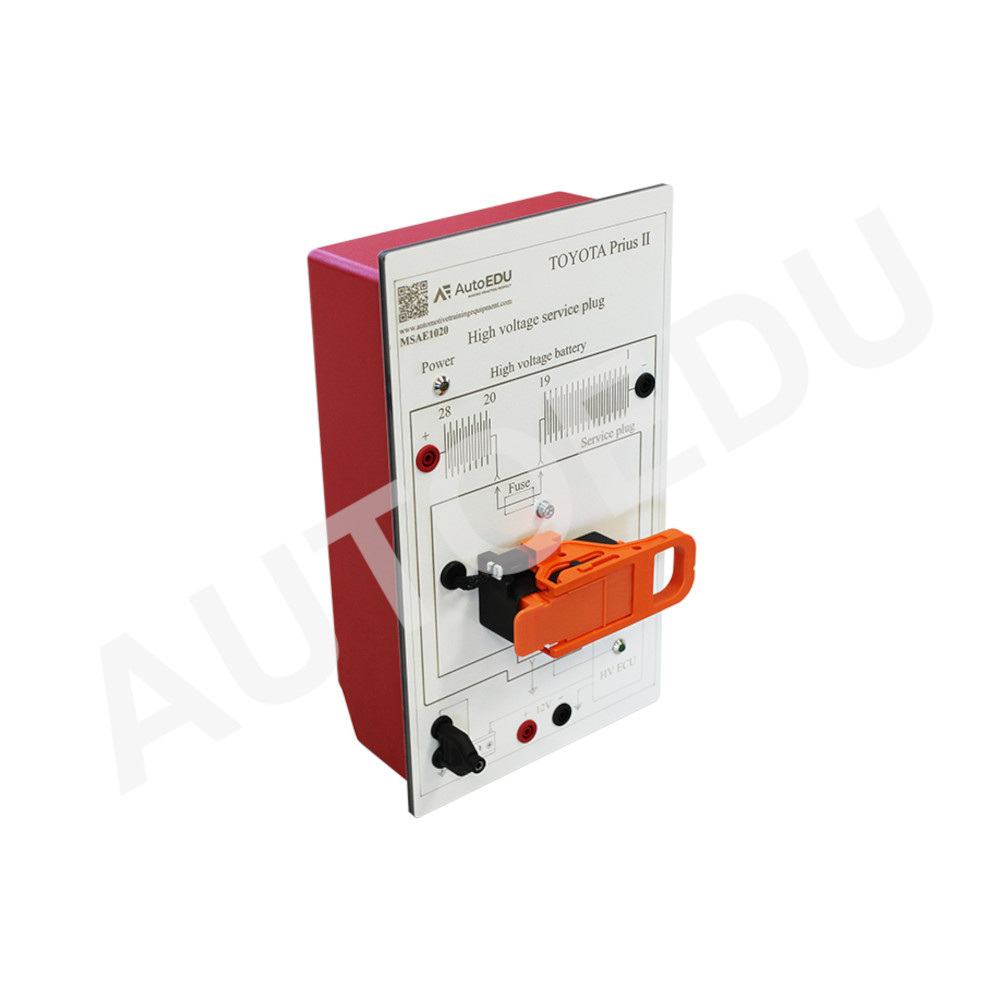
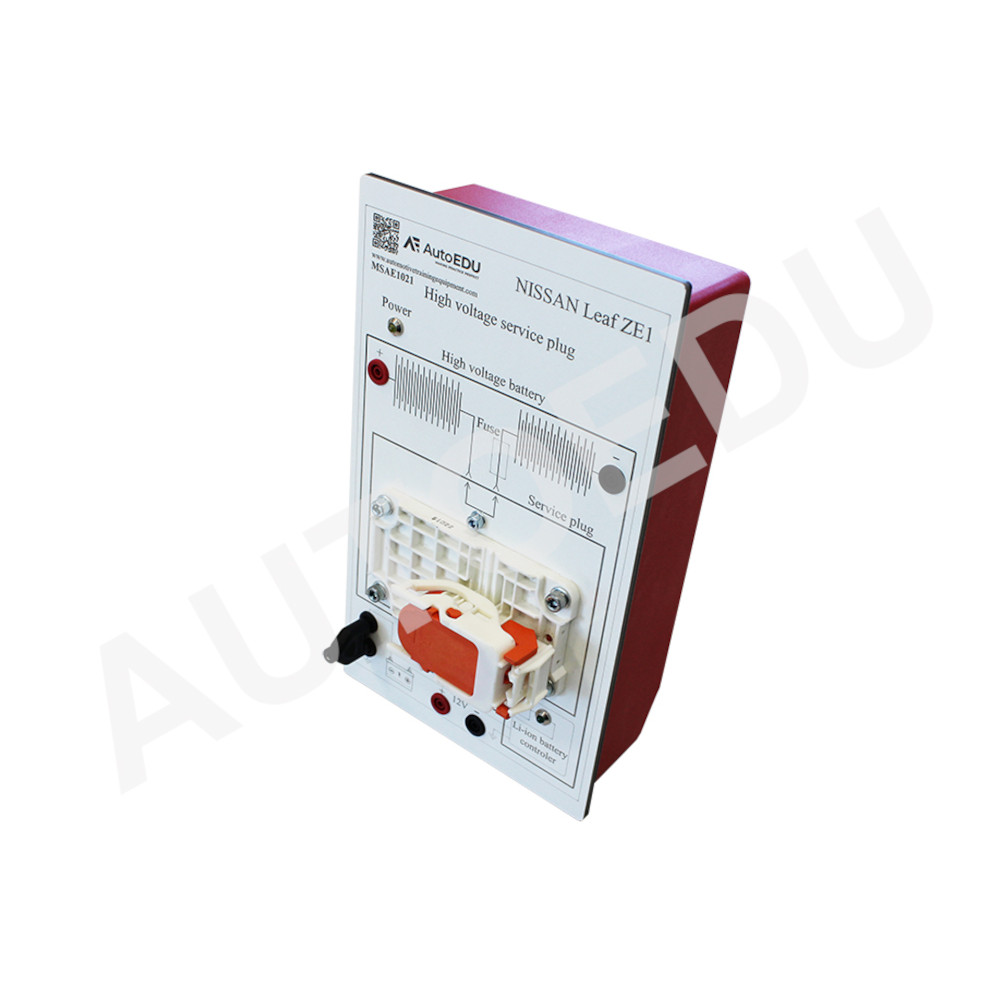
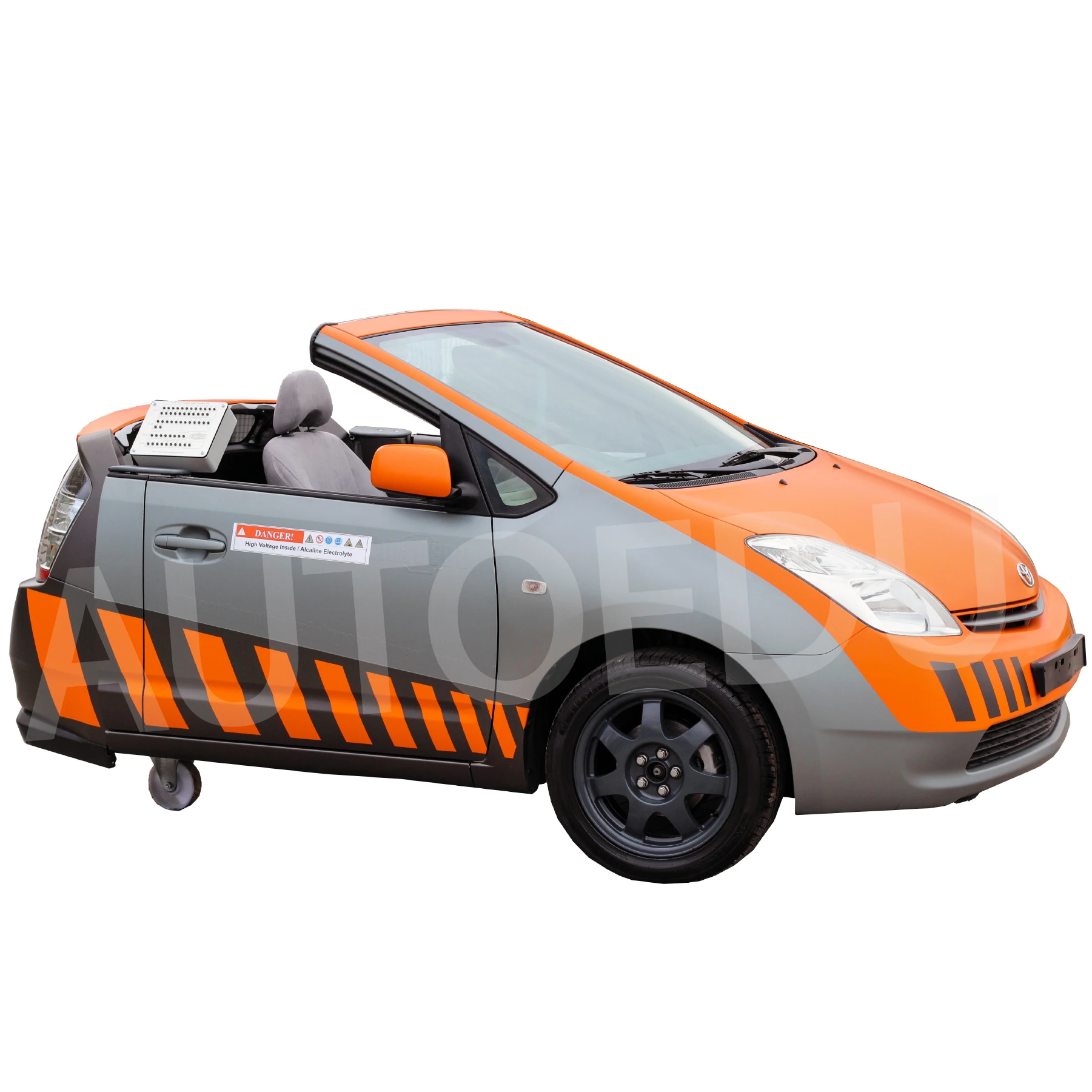
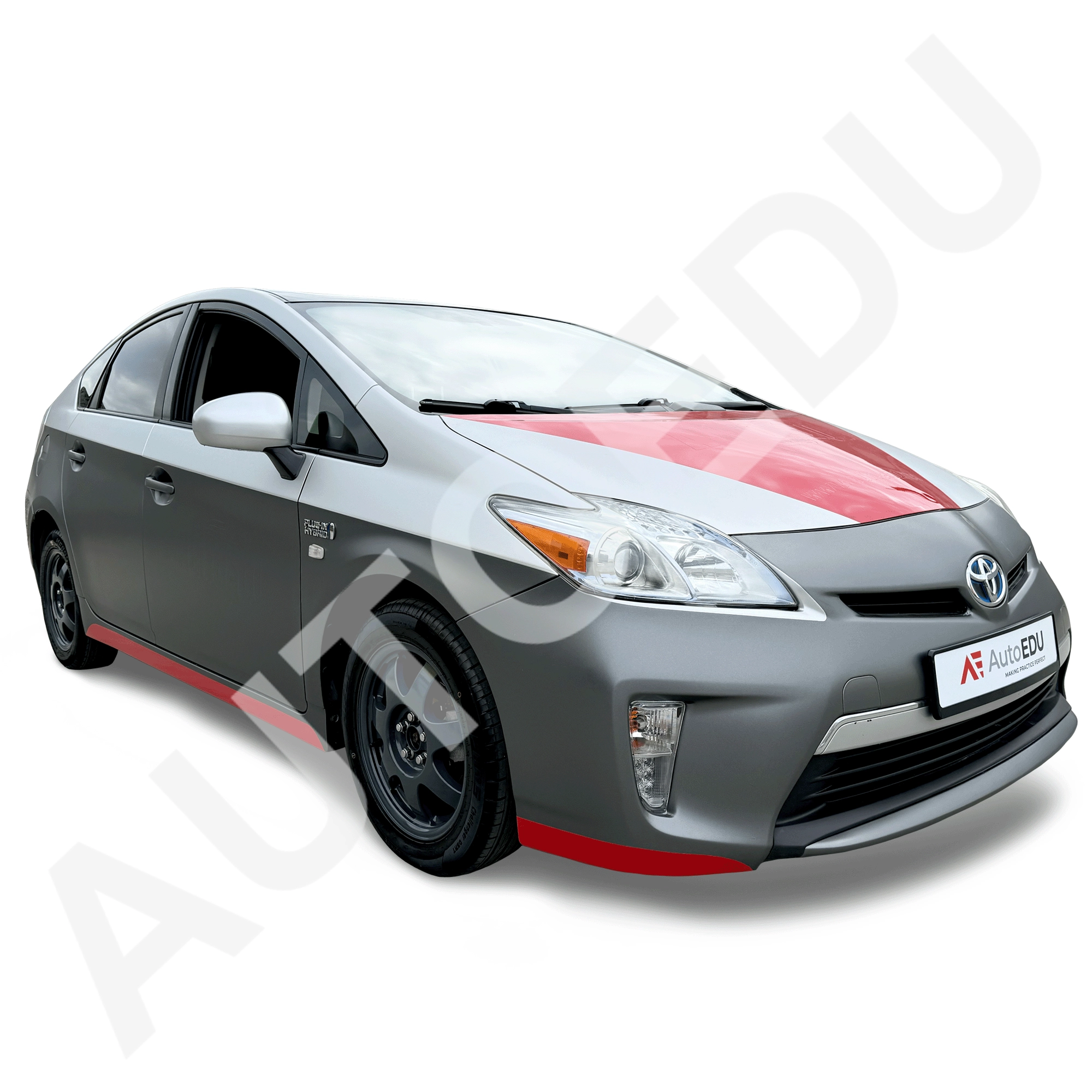
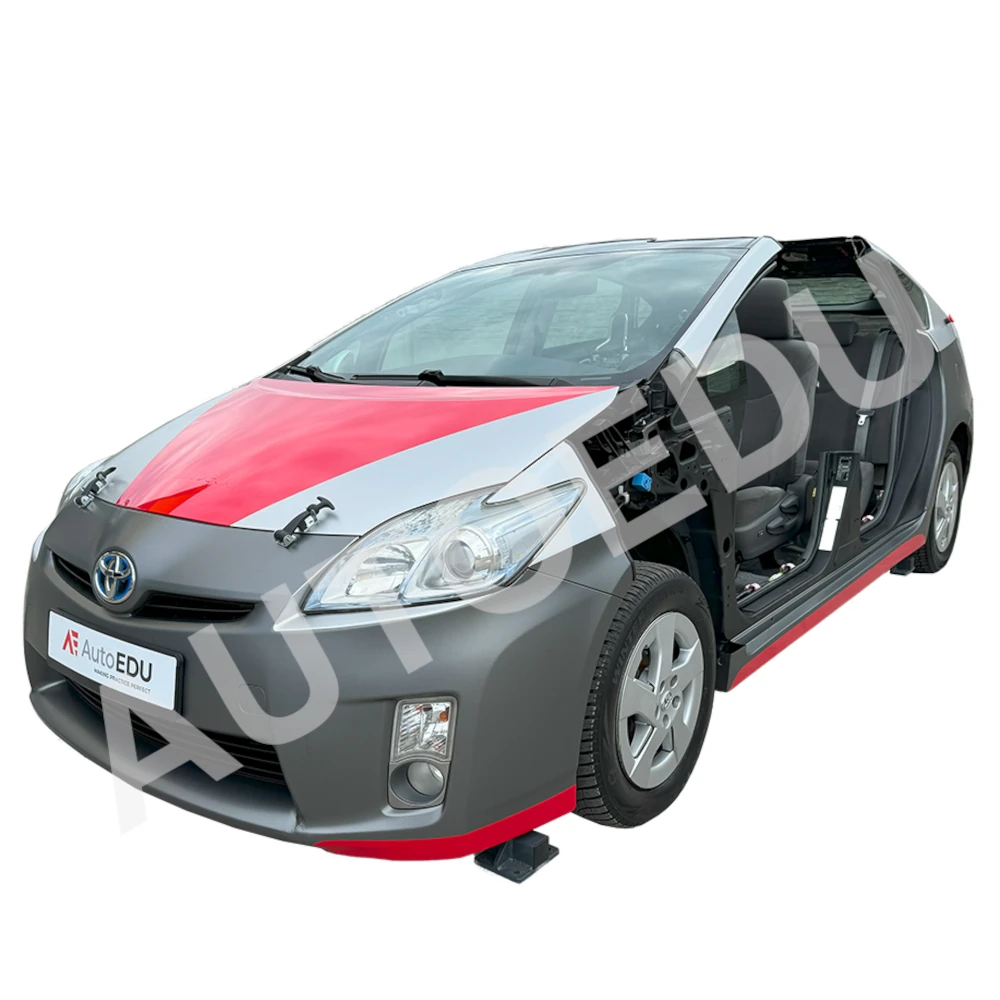
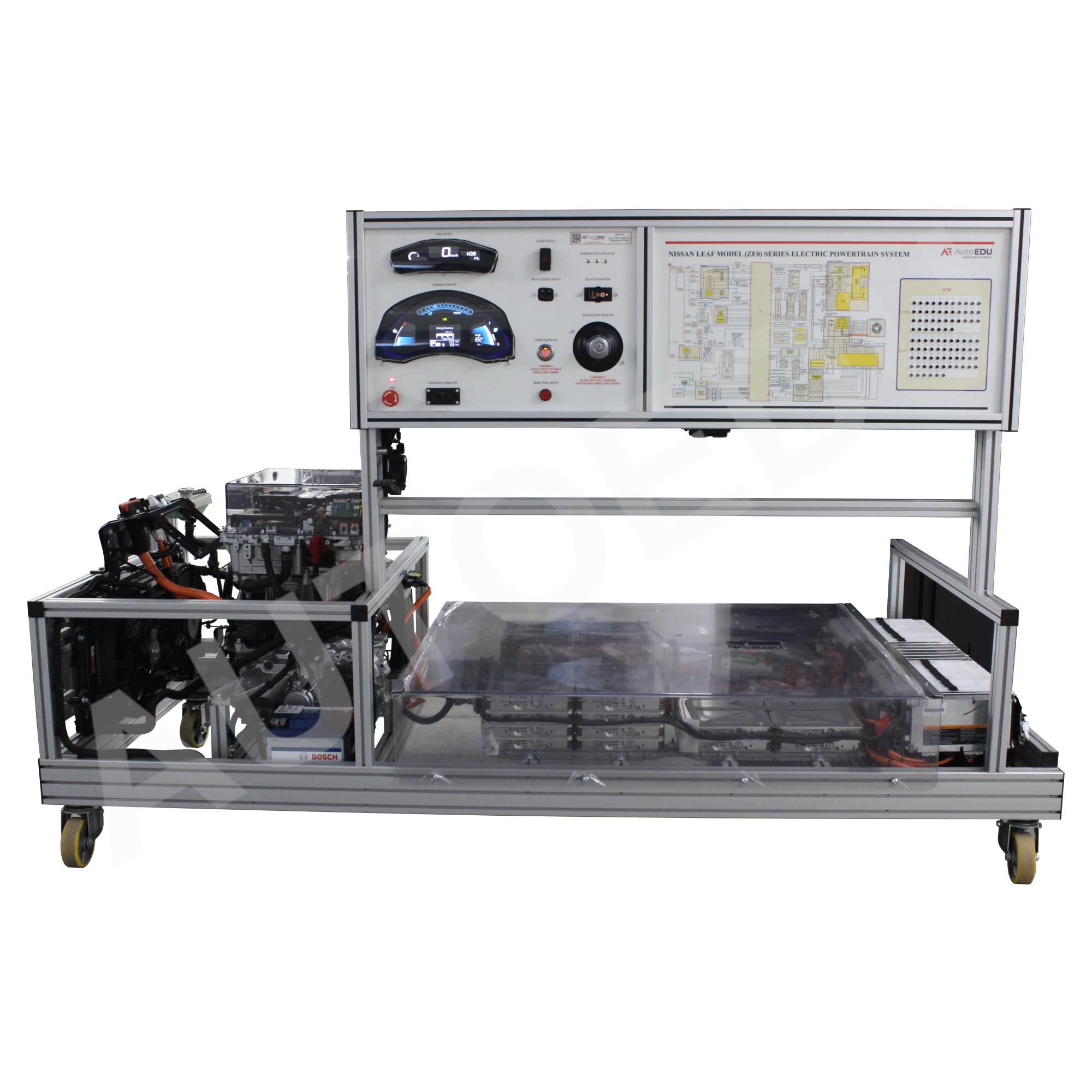
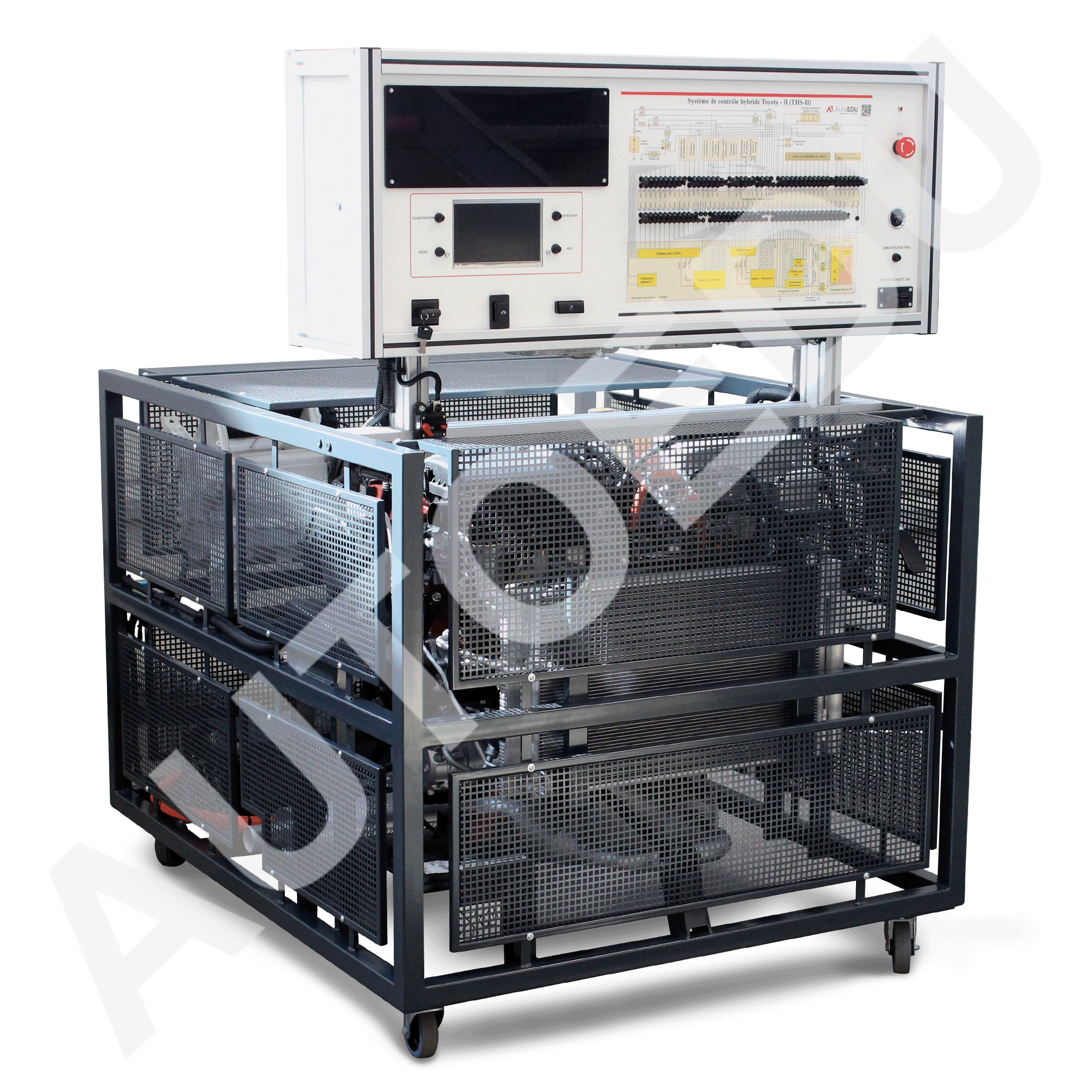
Fully functional electric vehicle training stand is based on the Nissan Leaf electric car, offering a practical and theoretical training experience using real electric vehicle components. This educational stand includes the main systems of electric vehicles, such as the electric motor, inverter, high-voltage battery, high-voltage cables, charging port and other essential elements. All components are connected with original high-voltage “orange” cables and covered with protective plexiglass for safety.
It is perfect tool for initial training and familiarization with electric vehicle safety requirements and teaching EV maintenance and repair. This stand is also suitable for training diagnosticians and EV repair specialists. Demonstrating EV components, parts, and connections is convenient and straightforward. There is no car body or other body parts that cover or hide the high-voltage “orange wires,” connections, and components of the EV car. With the help of this stand, it is easy to show all the components of the EV car, such as the electric motor, inverter, battery pack, and charging connectors. It is simple to explain and demonstrate how these components are connected and how they interact with each other.
Safety comes first, making this one of the most important automotive training equipment used before working with real EVs. All stand components are mounted on a sturdy aluminum frame with castors, allowing for easy movement and space-saving in a training classroom or EV lab.
To ensure the highest safety standards, the Protective Tools Set EHVS01 must be included with all orders of our Electric Vehicle (EV) and Hybrid Trainers. This essential set is designed to provide comprehensive protection and support for users during training sessions. To use automatic training equipment based on high-voltage batteries, the instructor must understand the principles of working with high-voltage electrical equipment, meet the requirements of this field, and guarantee the safety of themselves and those around them.
They give learners the ability to:
- Work confidently with high-voltage systems.
- Understand energy management in hybrid and EV drivetrains.
- Apply diagnostics in real-world scenarios.
- Keep pace with evolving automotive technology, ensuring long-term career opportunities.
Graduates gain practical knowledge of EV/Hybrid diagnostics, wiring systems, high-voltage safety, and maintenance procedures. These skills are in high demand as workshops and manufacturers transition to electric mobility.
- Automotive schools and universities.
- Vocational and technical training centers.
- Dealer and independent workshop training programs.
- Engineers and researchers studying future mobility.
Yes. All training stands are designed with built-in safety features, including:
- Insulation and grounding protection.
- Safety switches and emergency stop functions.
- Simulated faults for practice without risk.
- This allows instructors to teach high-voltage technology safely.
Training stands bridge the gap between classroom theory and workshop practice. They let learners see real wiring diagrams, components, and signals in action. This interactive learning builds stronger skills and prepares students for real-world vehicle service.
- EV (Electric Vehicles): Powered entirely by electric motors and high-voltage batteries. Training focuses on charging systems, battery management, and electric drive technology.
- Hybrid Vehicles: Combine an internal combustion engine with an electric motor. Training includes hybrid energy management, engine-to-motor coordination, and dual system diagnostics.
Educational training stands allow hands-on practice with real components in a controlled environment. Students can:
- Learn how high-voltage batteries, inverters, and motors operate.
- Understand hybrid power distribution between the engine and electric motor.
- Practice diagnostic procedures using OBD and fault codes.
- Study energy recovery systems such as regenerative braking.
- Gain confidence in safe work procedures around high-voltage systems.
The automotive industry is rapidly shifting toward electrification. Mechanics, technicians, and engineers must understand high-voltage systems, electric motors, hybrid drivetrains, and advanced safety protocols. Training ensures they can diagnose, service, and repair modern vehicles safely and effectively.