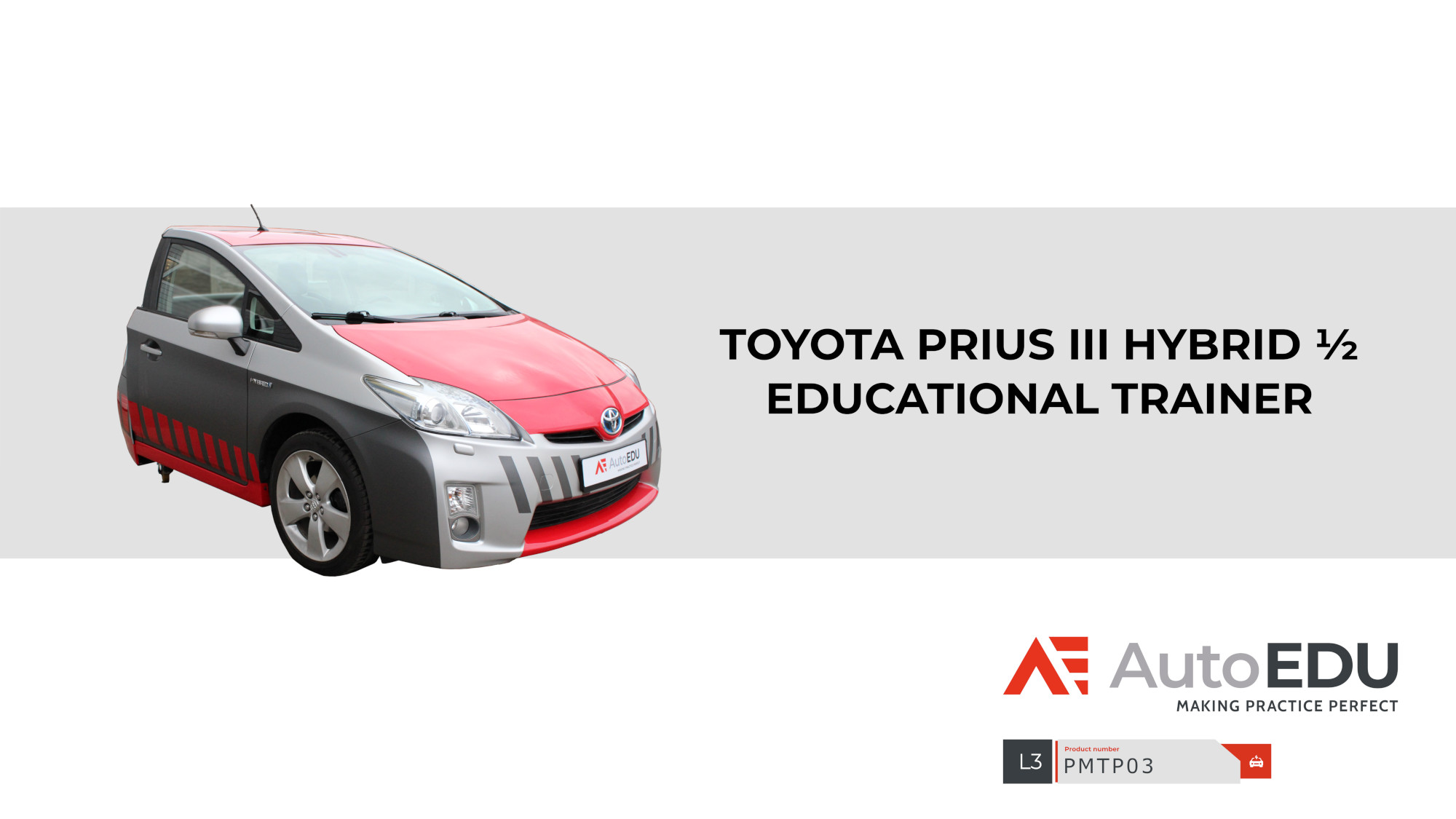
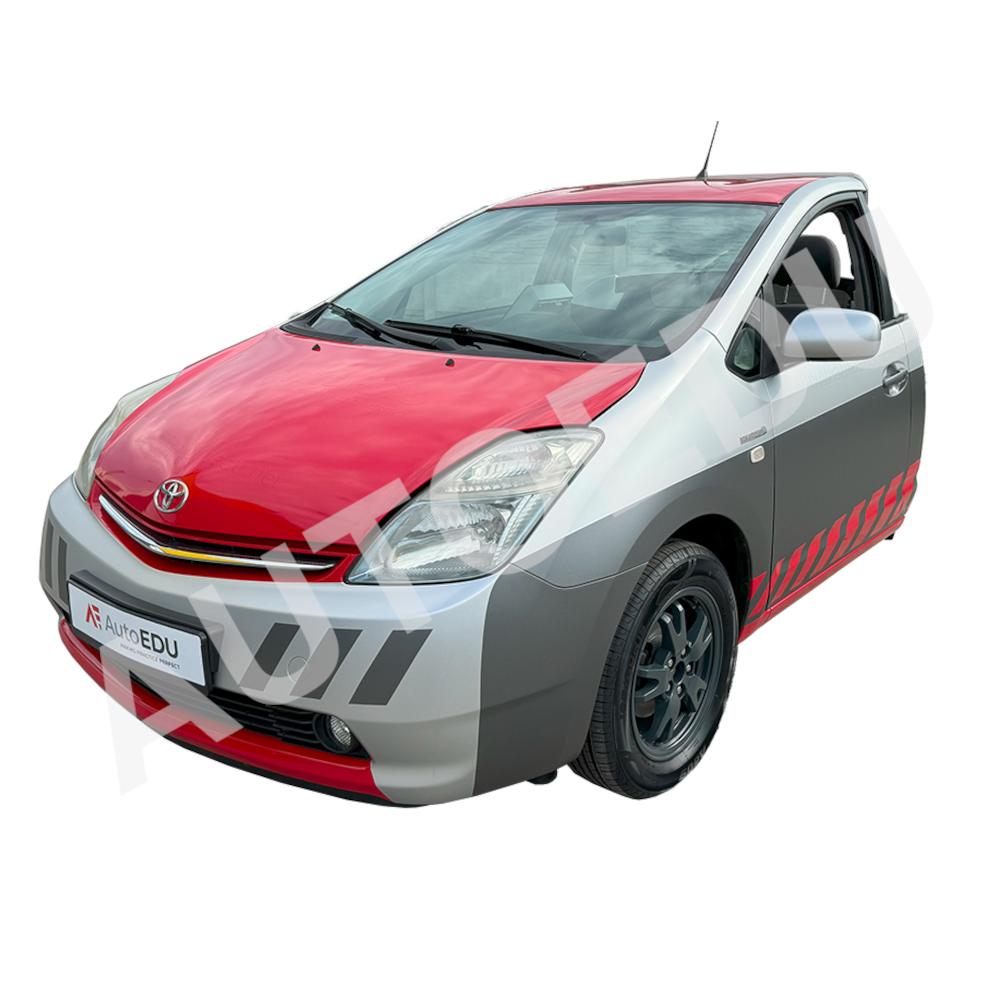
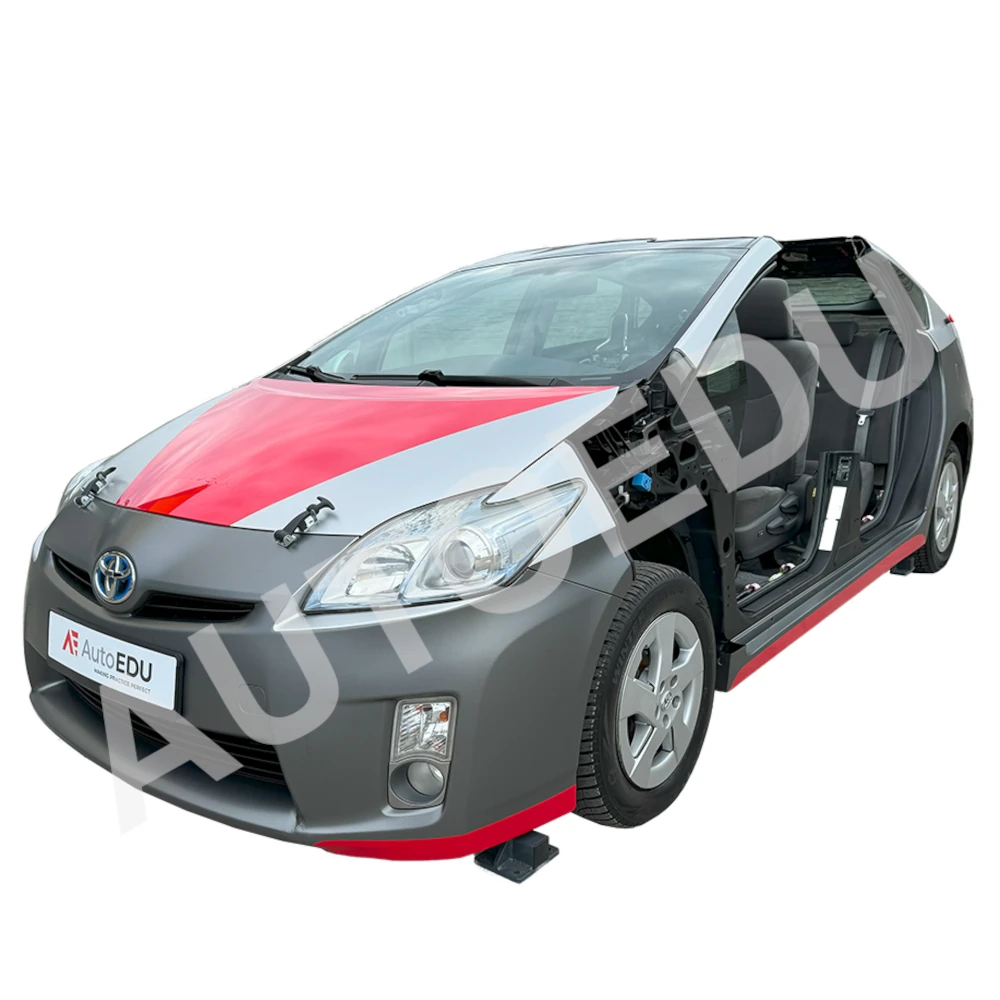
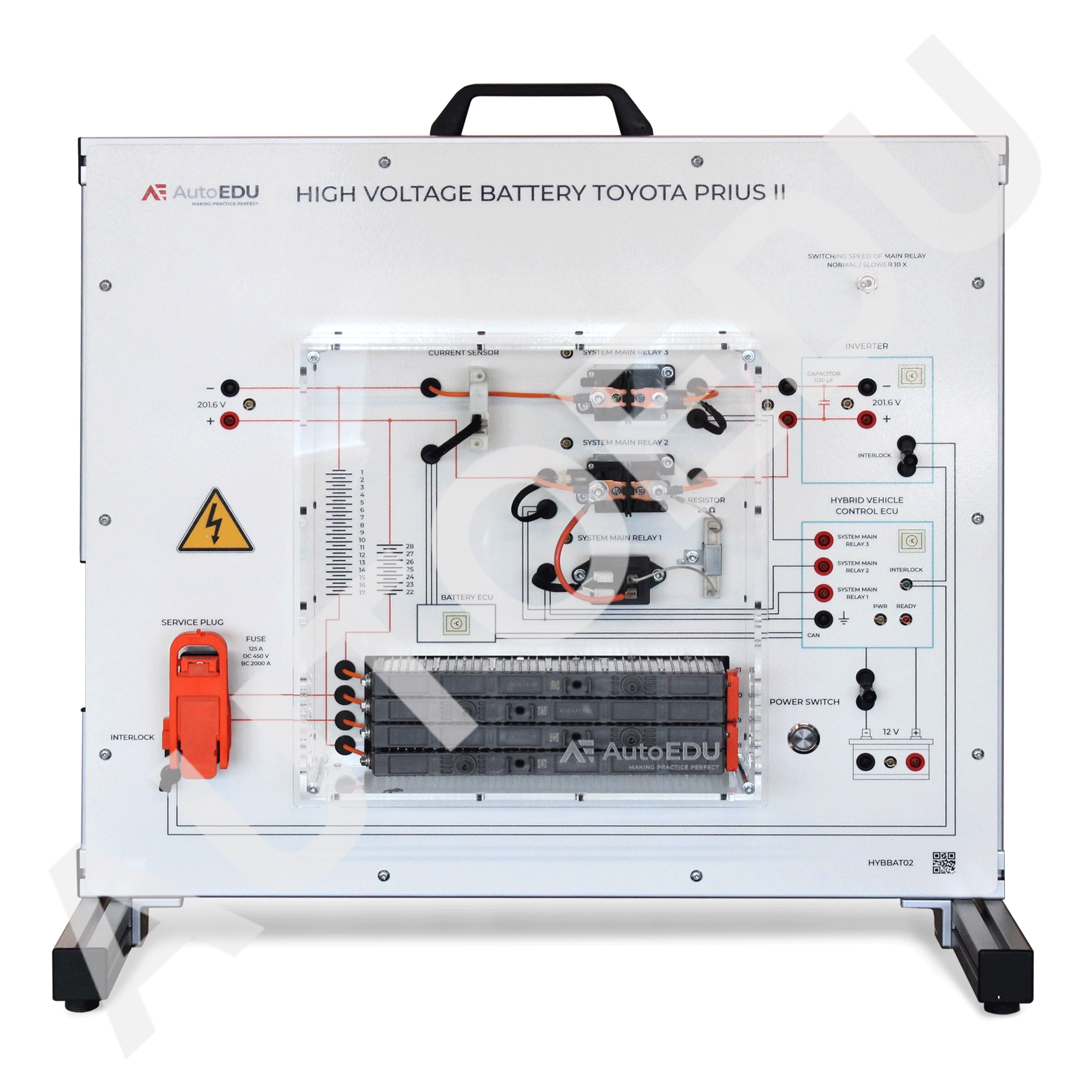
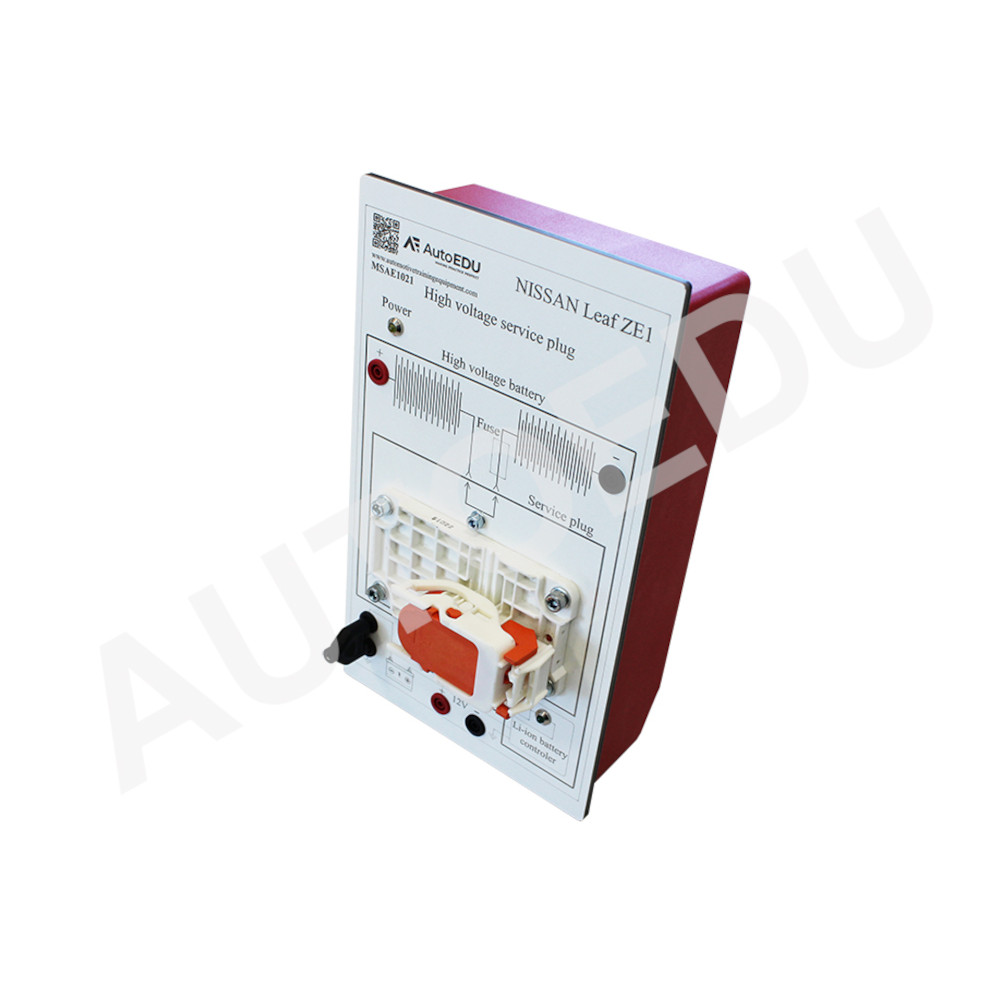
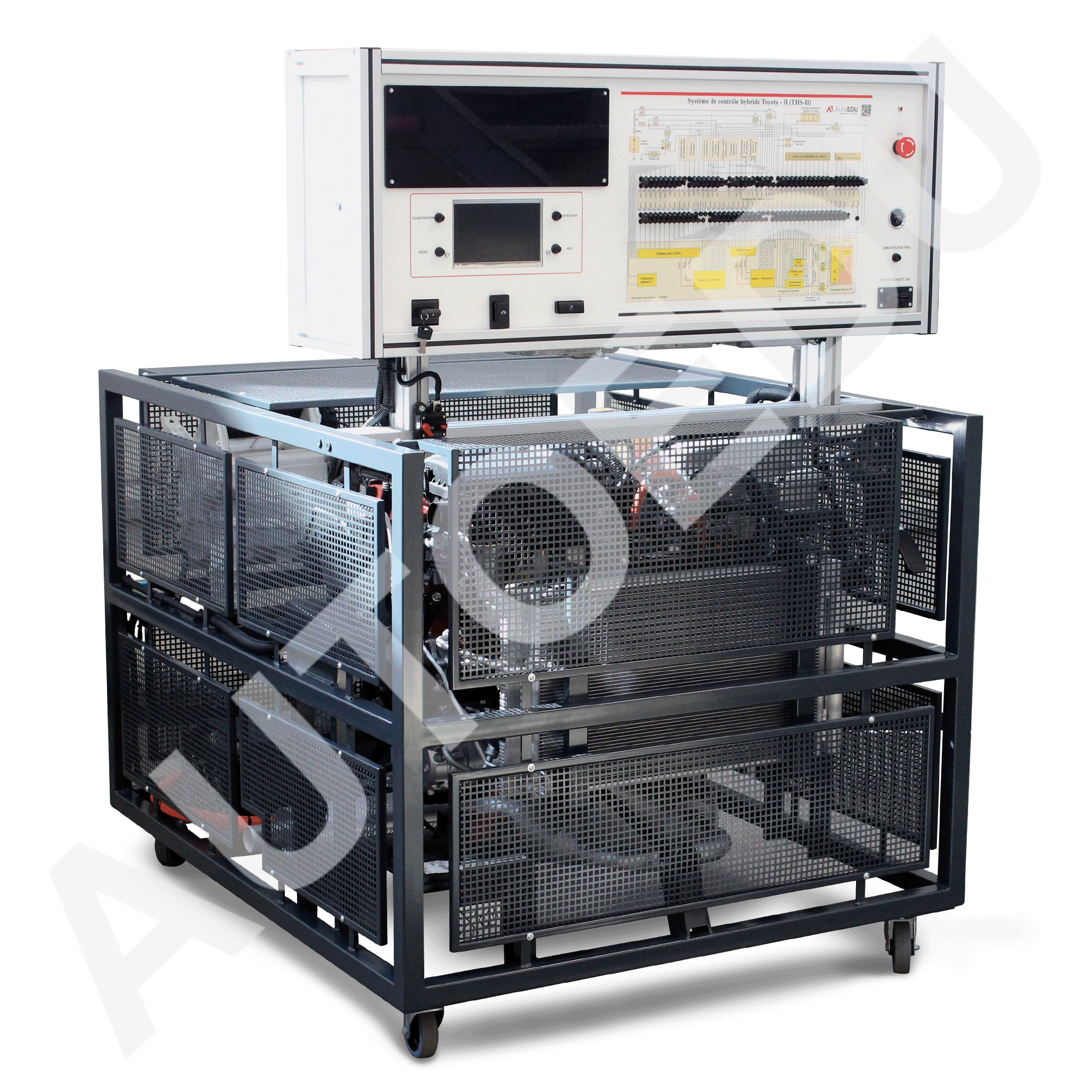
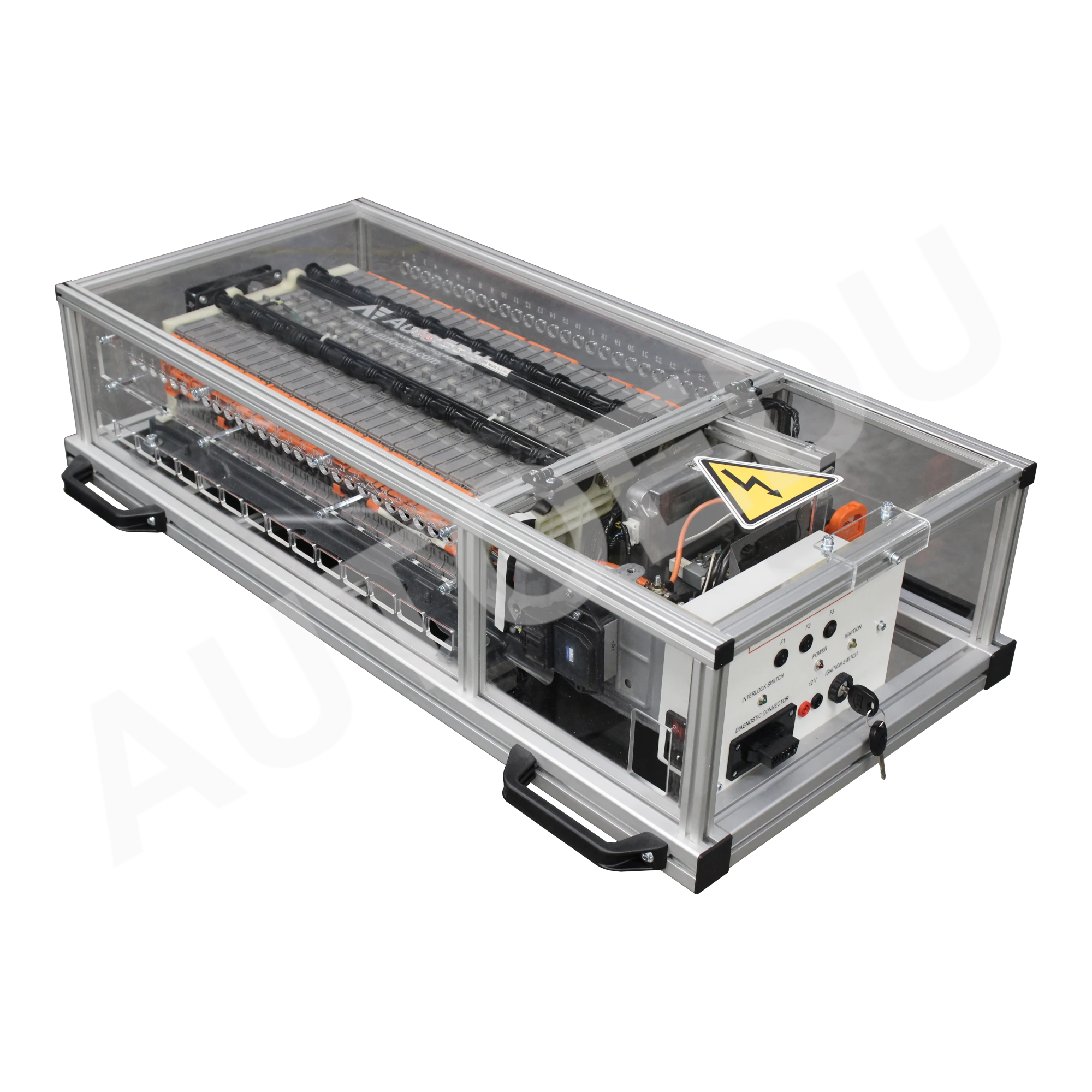
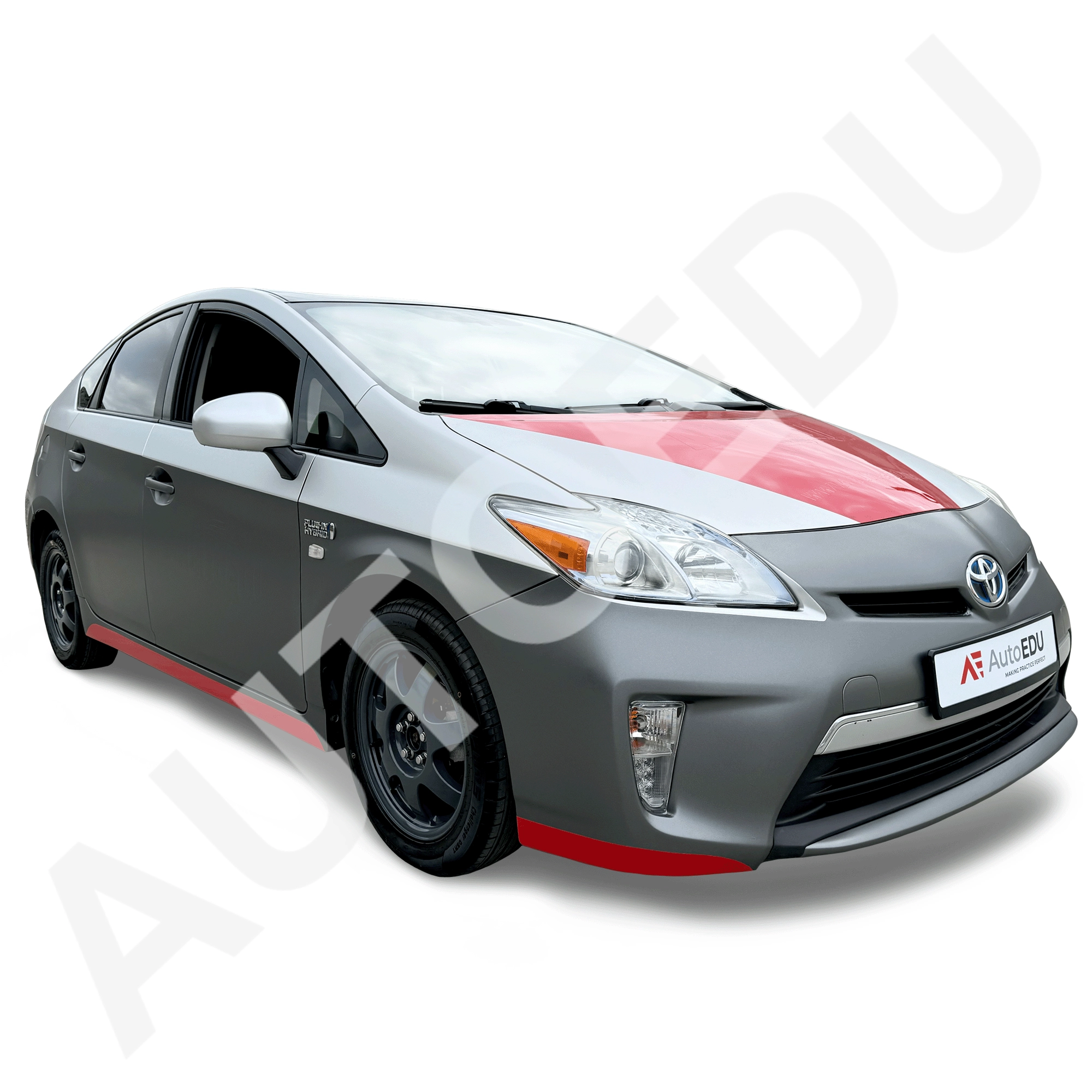
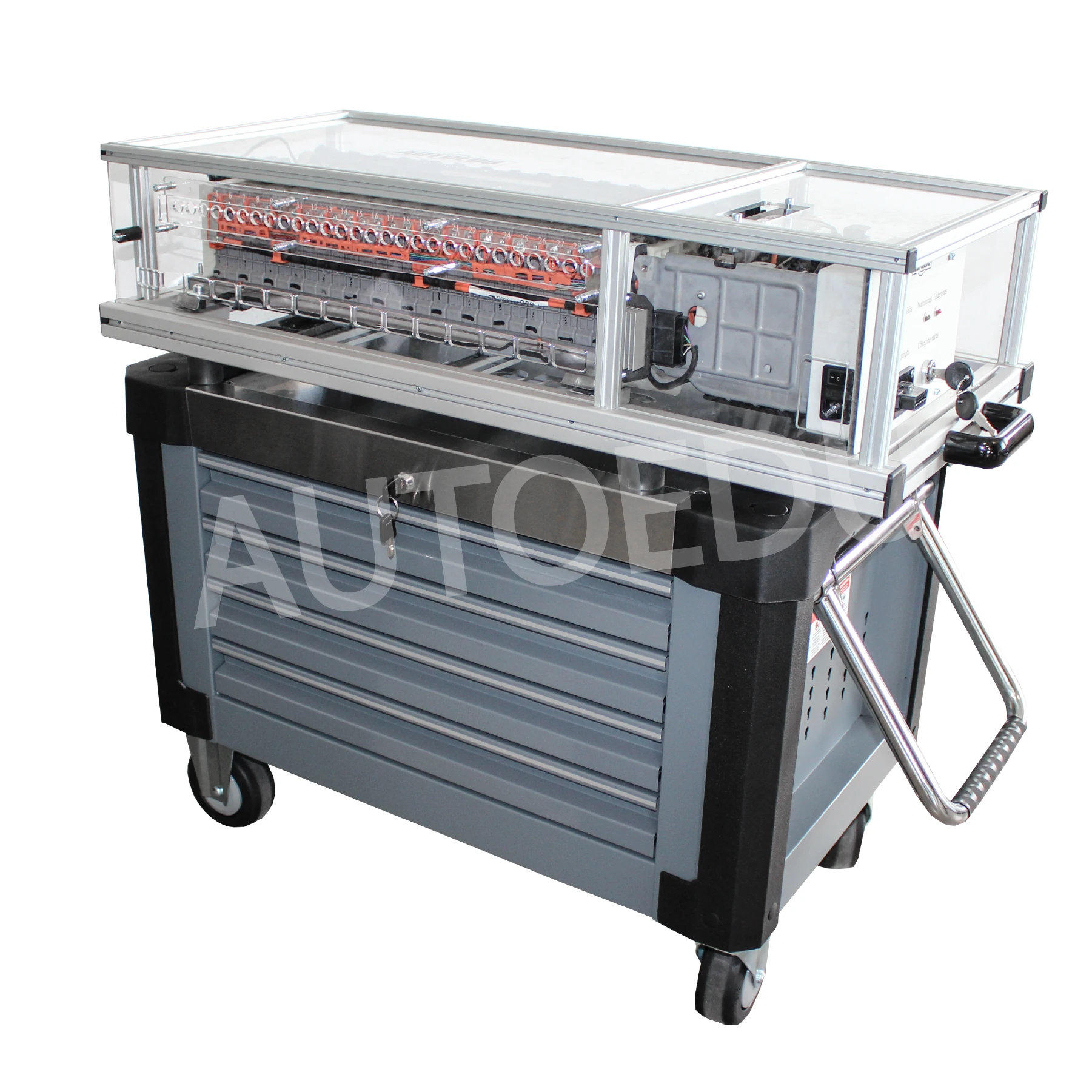
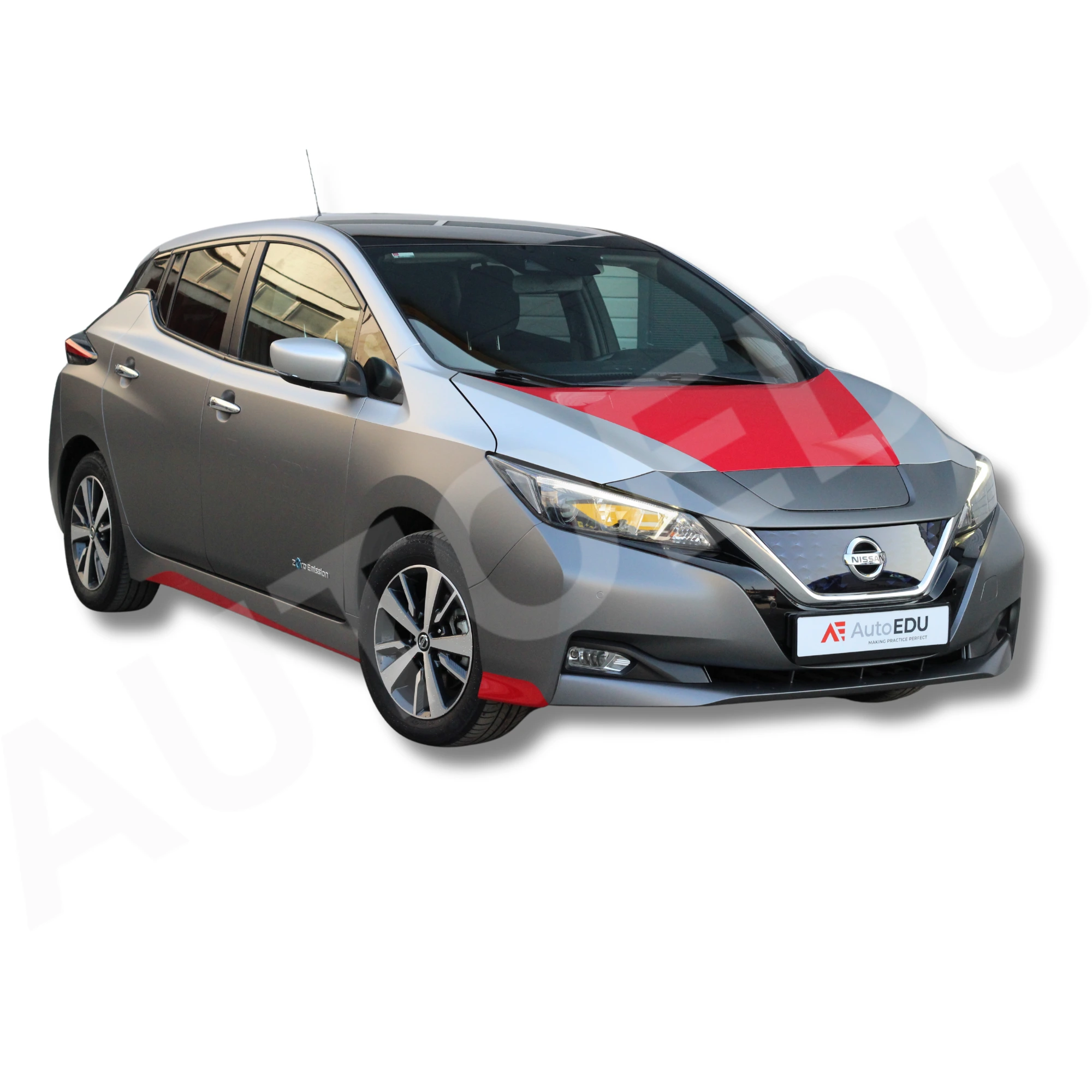
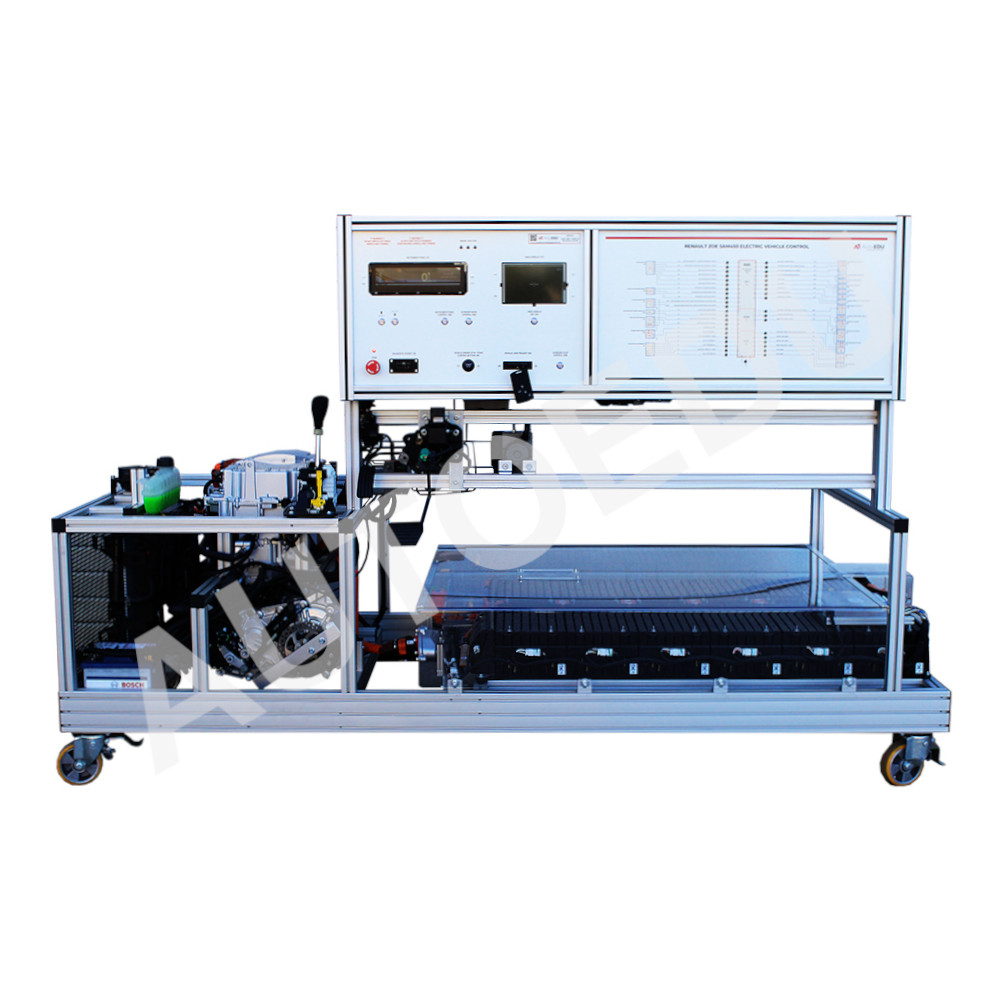
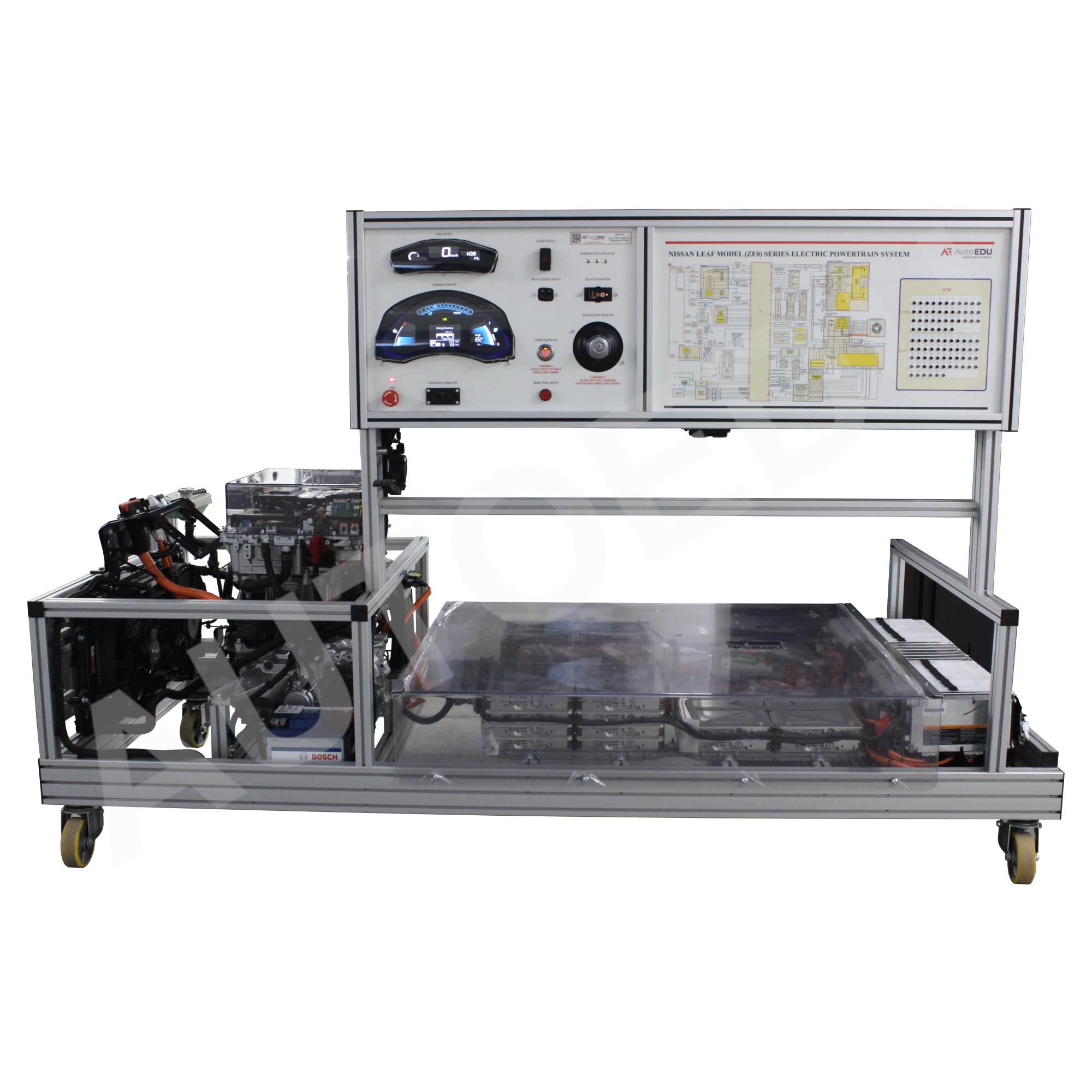
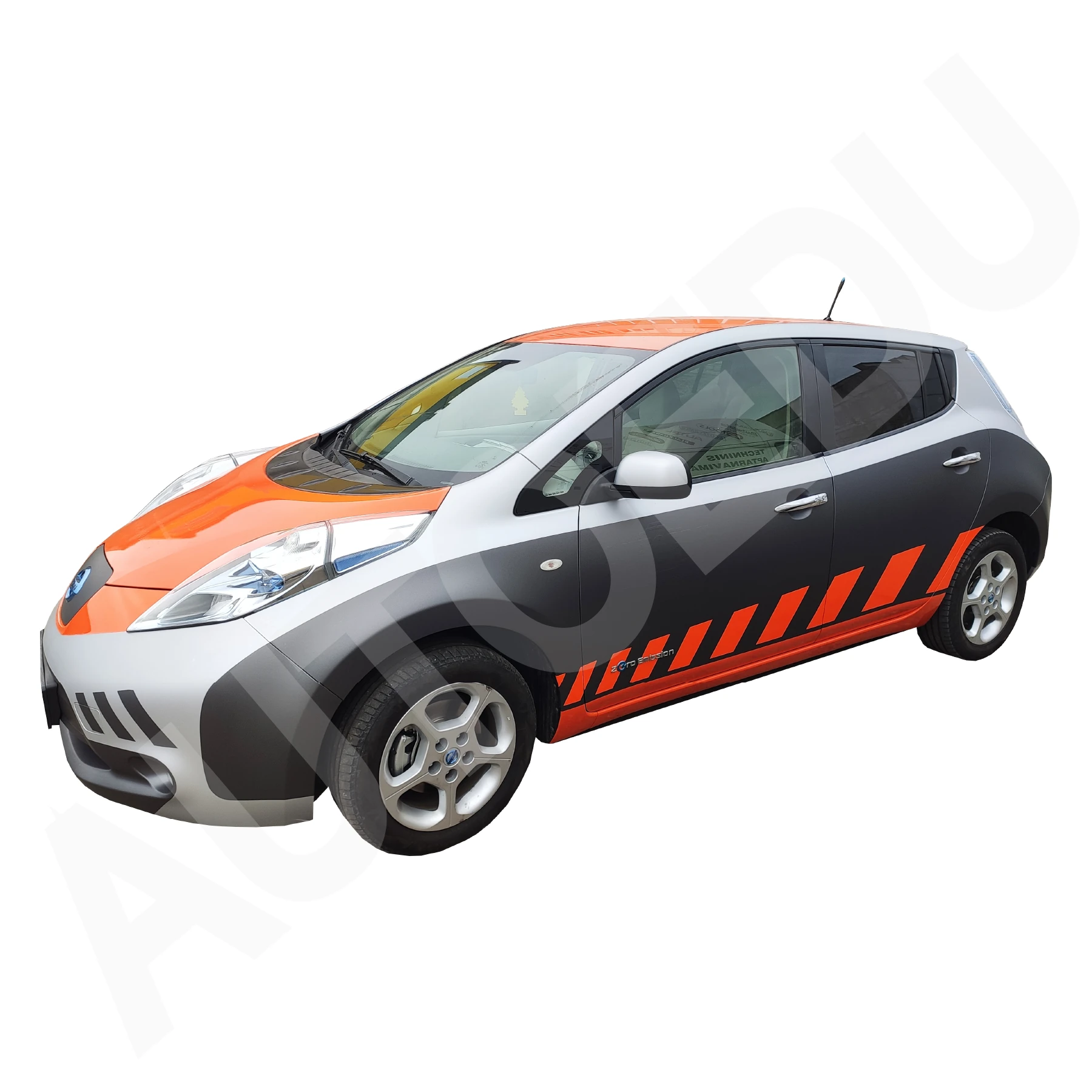
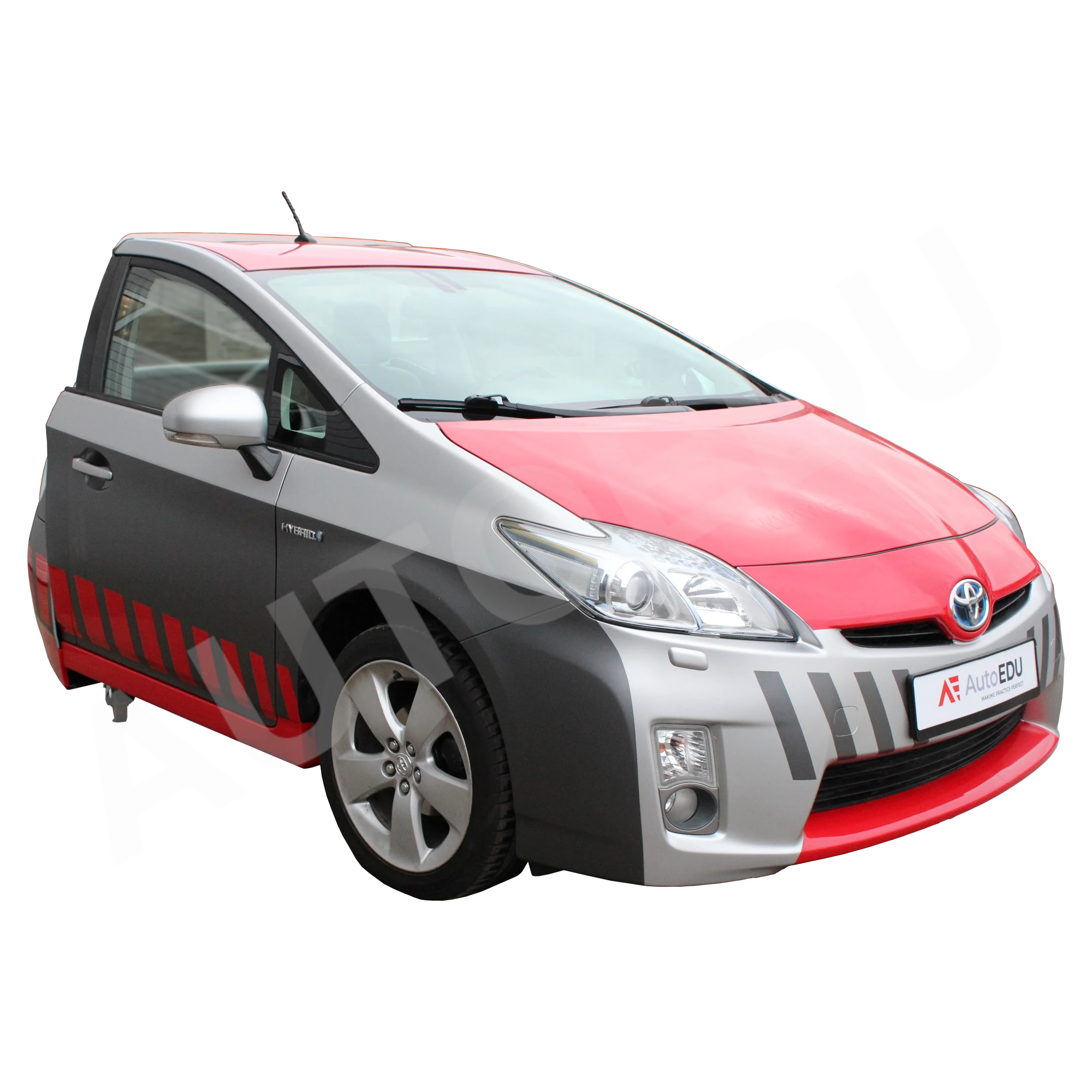
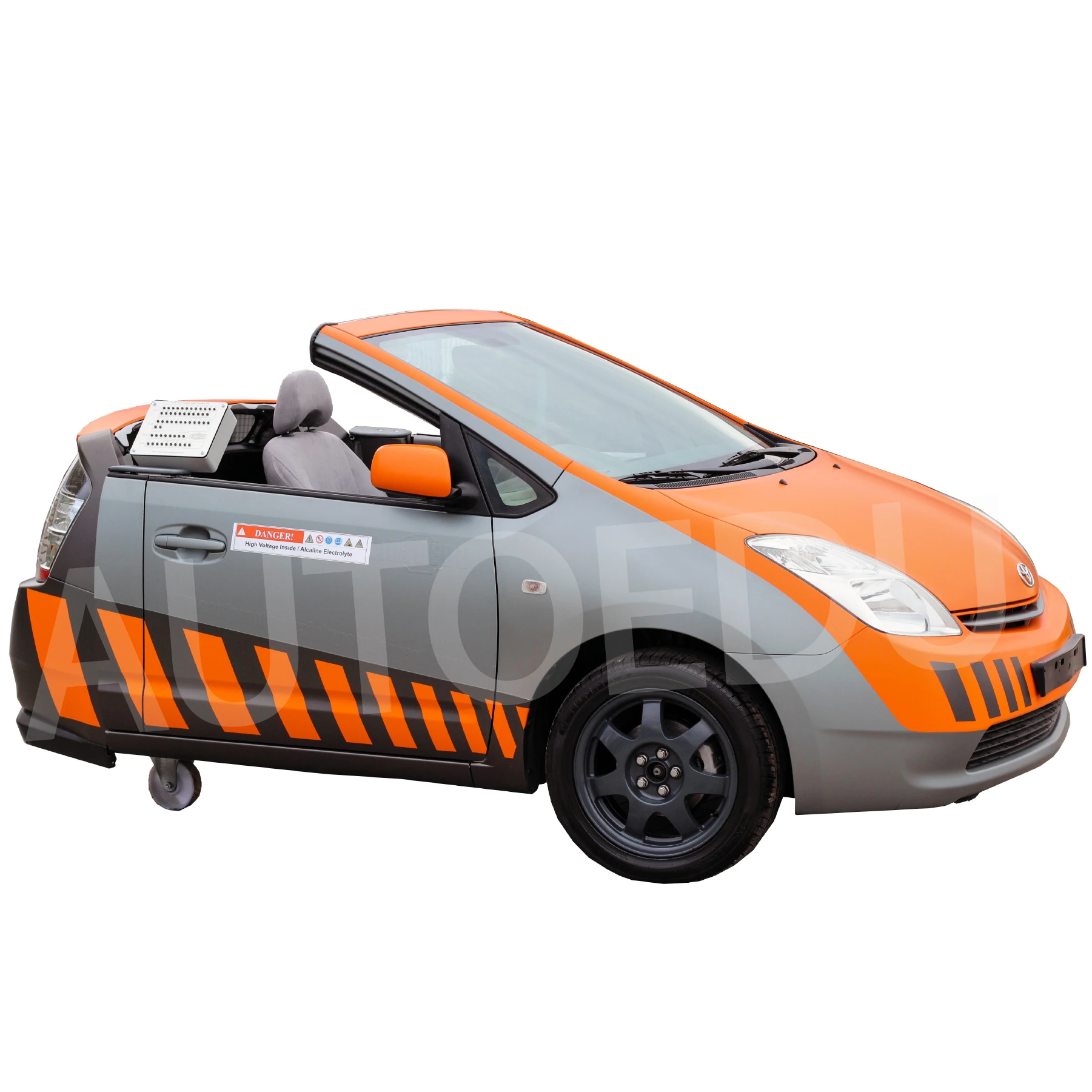
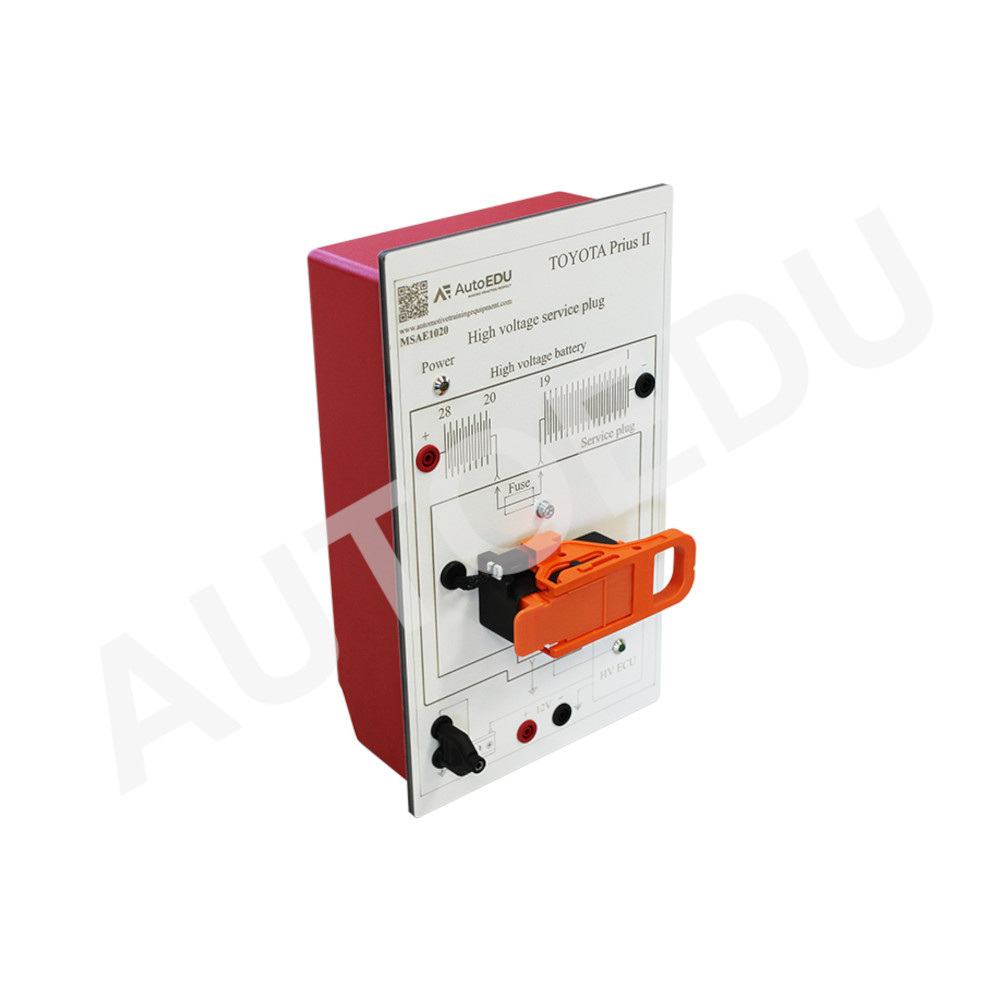
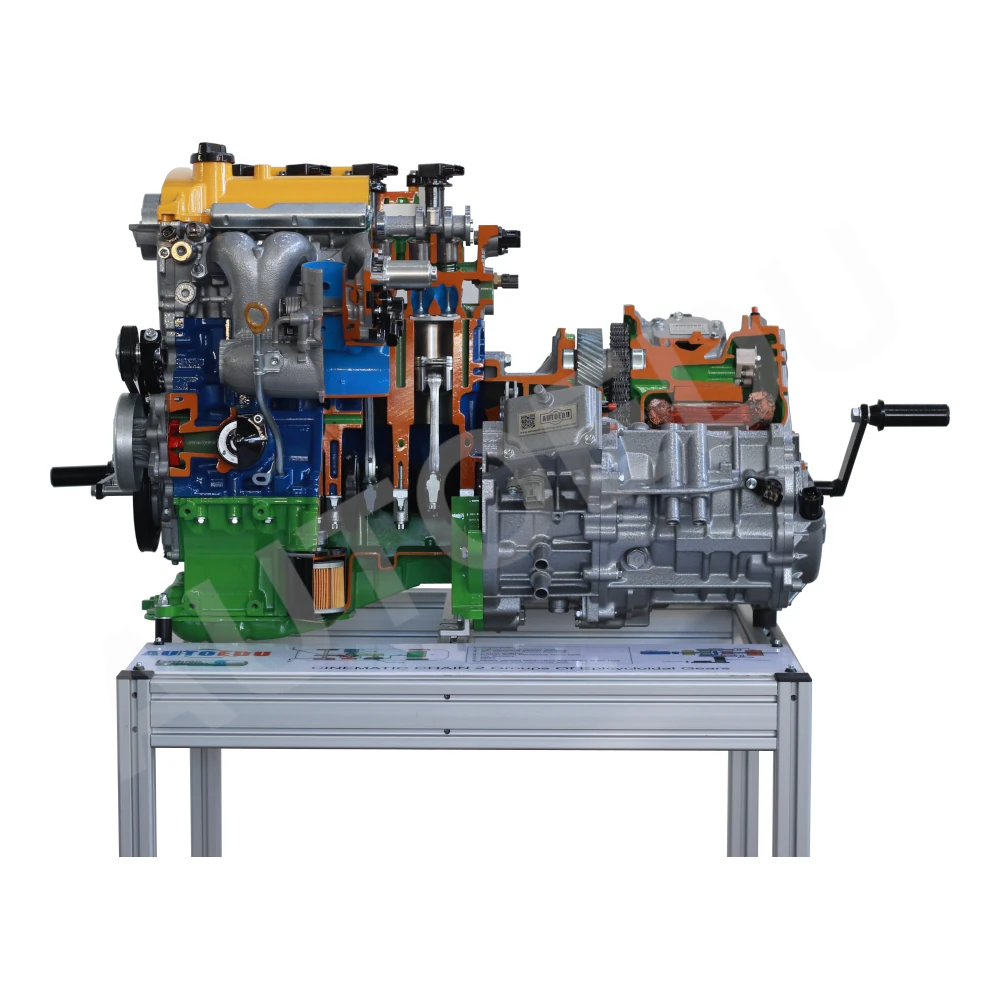
Advanced learning platform for understanding hybrid vehicle technologies. This functional model replicates the essential components and systems of a Toyota Prius III hybrid vehicle, including the petrol/electric control system, automatic gearbox, and various diagnostic features. Engineered for educational settings, it combines a space-saving design with comprehensive diagnostic and measurement capabilities to enhance automotive training.
To ensure the highest safety standards, the Protective Tools Set EHVS01 must be included with all orders of our Electric Vehicle (EV) and Hybrid Trainers. This essential set is designed to provide comprehensive protection and support for users during training sessions. If the EHVS01 Protective Tools Set is not required, please contact our managers to adjust your quotation accordingly.
We provide user manuals, wiring diagrams, teacher’s guides, and online support. Institutions also receive curriculum integration advice to maximize teaching value.
All trainers are built on industrial-grade frames with robust wiring and protective housings. They are engineered for continuous multi-student use in education environments.
Yes. Many units feature cutaway designs that expose motors, inverters, and batteries. Students gain a clear understanding of component structure and energy flow.
Yes. Trainers can be configured with additional fault modules, localized labeling, different charging interfaces, and specific curriculum adaptations.
AutoEDU trainers are used in technical schools, universities, training centers, and workforce retraining programs across Europe, Asia, Africa, the Middle East, and the Americas. They support both classroom teaching and hands-on laboratory exercises.
Yes. AutoEDU charging trainers replicate AC and DC charging stations, including Type 1, Type 2, CCS, and CHAdeMO connectors. This enables realistic practice of plug-in procedures, communication protocols, and charging diagnostics.
Trainers allow safe, repeated practice and clear component visibility. Unlike real vehicles, they are designed for teaching — with accessible wiring, exposed systems, and fault simulation options that improve student learning.
Yes. Trainers support standard automotive tools including OBD-II scanners, multimeters, oscilloscopes, insulation testers, and CAN bus analyzers, ensuring students practice with real workshop equipment.
Yes. Trainers are equipped with fault simulation modules. Instructors can introduce issues like battery imbalance, inverter cooling failure, charging errors, and sensor faults for students to diagnose.
All trainers include high-voltage interlocks, emergency stop systems, insulated connectors, and safety indicators. These features allow safe practice of high-voltage work procedures in a classroom or laboratory setting.
Students can study high-voltage batteries, electric motors, inverters, DC-DC converters, regenerative braking, and thermal management. Trainers provide both functional and cross-sectional access for complete system understanding.
The hybrid system in EVs (hybrid electric vehicles, HEVs) integrates an internal combustion engine with one or more electric motors and a high-voltage battery. The system can operate in electric-only mode, combustion-only mode, or a combination of both. Students learn about series, parallel, and plug-in hybrid configurations and how control units manage energy flow between components.
Students learn how hybrid vehicles combine internal combustion engines with electric motors to improve efficiency and reduce emissions. Training covers hybrid batteries, energy management systems, regenerative braking, start-stop systems, and power split devices. Fault simulation allows learners to practice diagnostics on both electrical and mechanical sides of a hybrid system.
The best experience comes from combining theory with hands-on training. Students should:
- Work with trainers that simulate real EV and hybrid faults.
- Practice with professional diagnostic tools (OBD-II scanners, oscilloscopes, insulation testers).
- Perform safety procedures such as lockout/tagout and insulation resistance testing.
- Study visible cross-sections of motors, inverters, and batteries to understand internal operation.
EV/Hybrid training equipment prepares students for the rapid shift in the automotive industry. As more manufacturers phase out traditional combustion engines, technicians must master high-voltage safety, diagnostics, and component repair. Training equipment allows safe, repeatable practice that ensures specialists are job-ready.
The best EV educational tools are high-voltage battery trainers, inverter and motor trainers, and charging station simulators. These provide hands-on experience in diagnostics, safety procedures, and system operation. Cross-sectioned units and fault simulation modules are especially effective because they combine theory with real-world practice.